Playscape: an interactive rammed earth artwork
British Ceramics Biennial
Year : 2025
University of Staffordshire BA Architecture students.
Support
Supported by the Playscape volunteers and community participants, BCB Studio members, Ibstock, KMF Group, MayerAggregates and St. Maria Goretti Catholic Academy. Funded by UK Government via the High Street Accelerator and UK Shared Prosperity Fund, which are managed by Stoke-on-Trent City Council, with additional support from Marchus Trust and OveArup Foundation. Clay for Playscape is partially sourced from the HS2 Old Oak Common station site and was made available with the support of High Speed 2 Ltd and Balfour Beatty VINCI SYSTRA Joint Venture.
All images: Jenny Harper
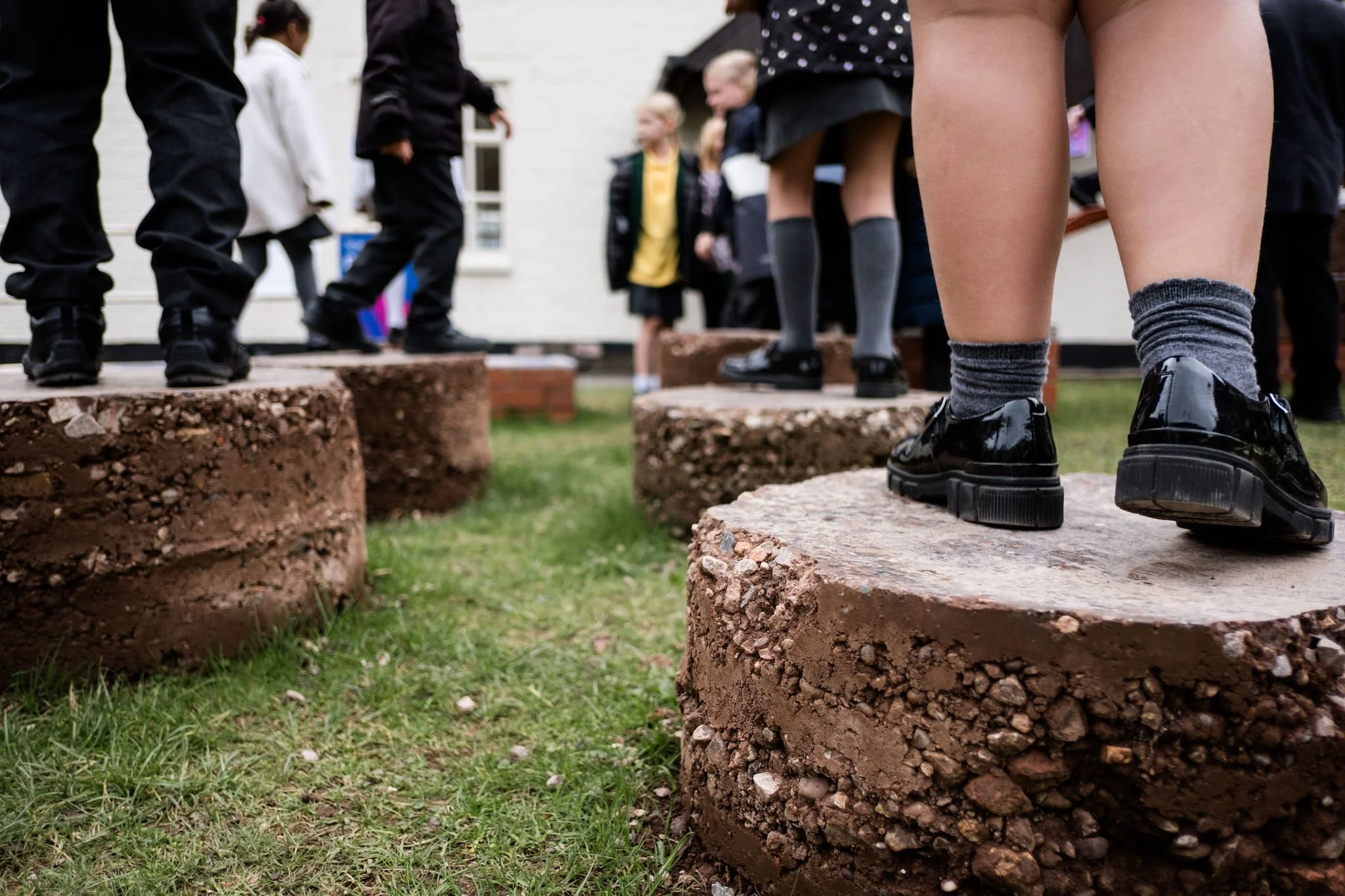
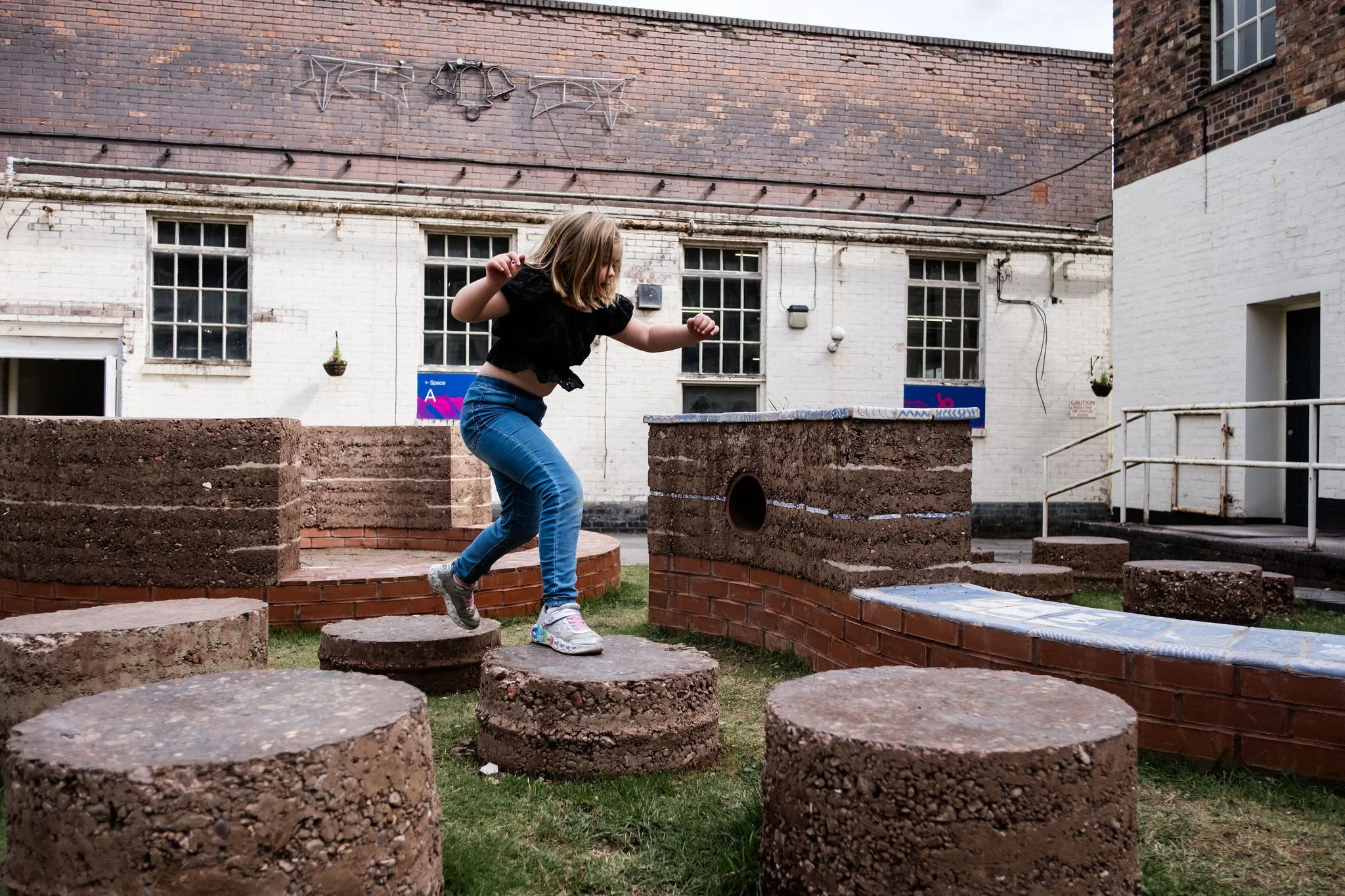
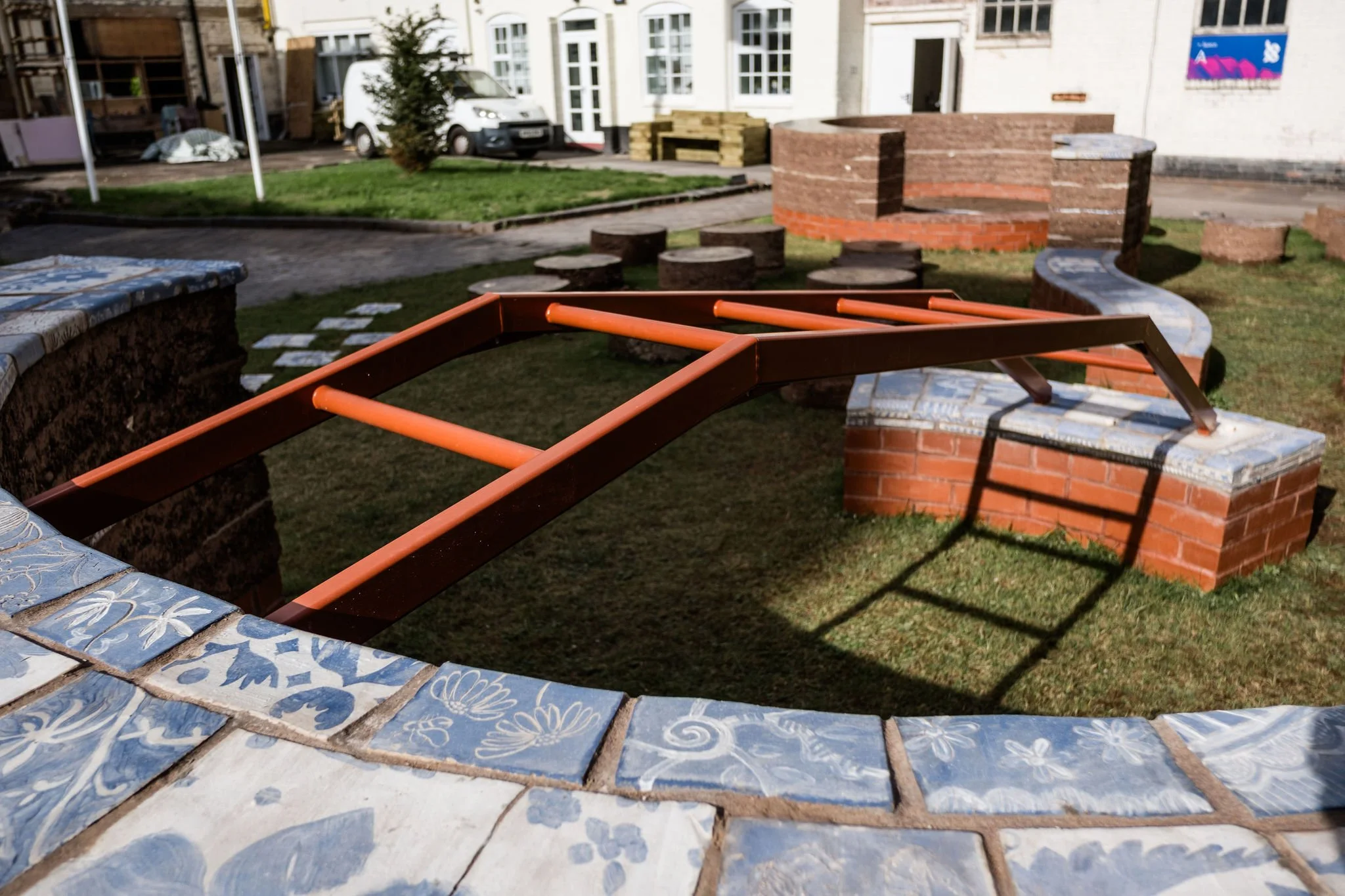
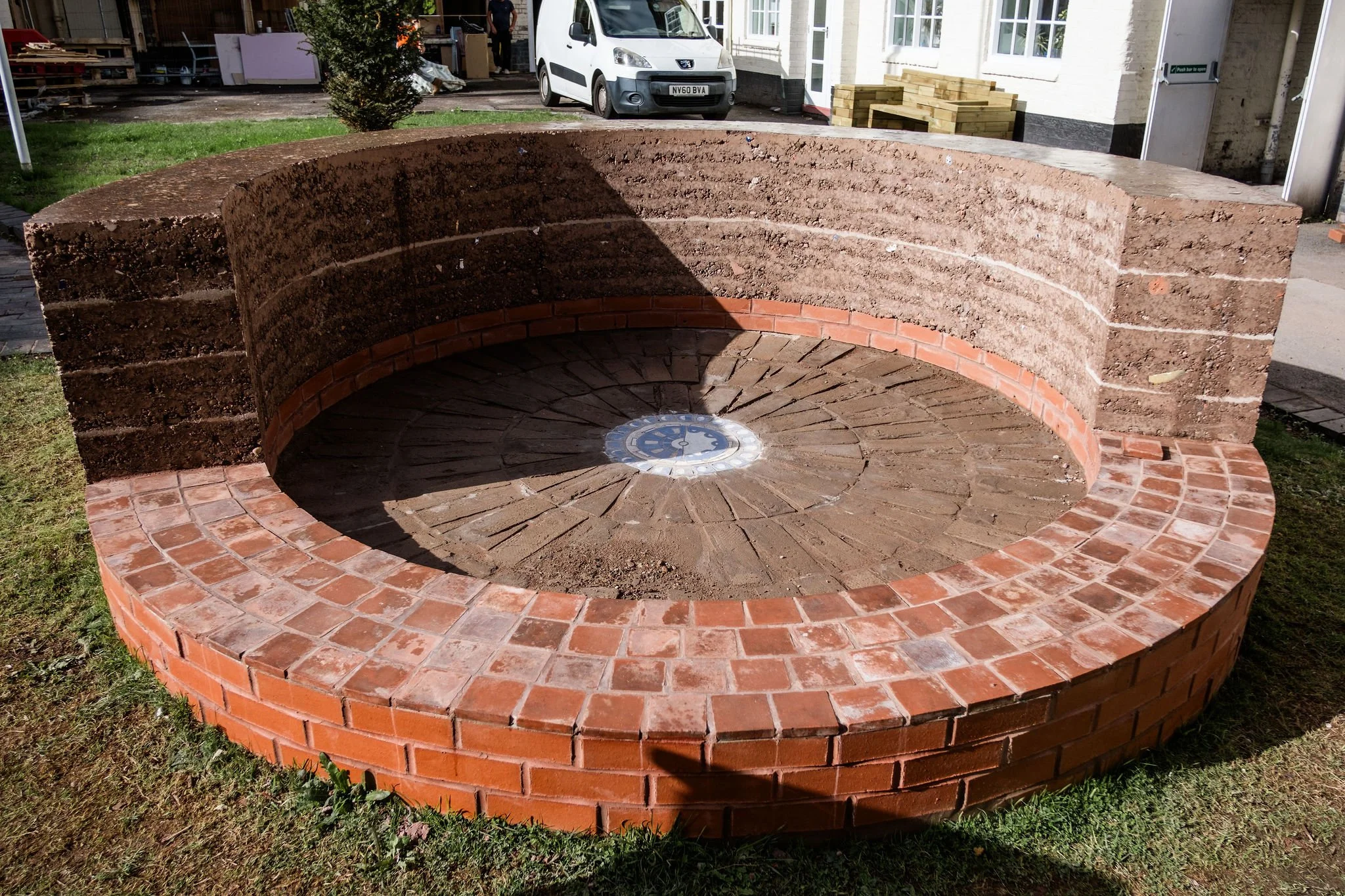
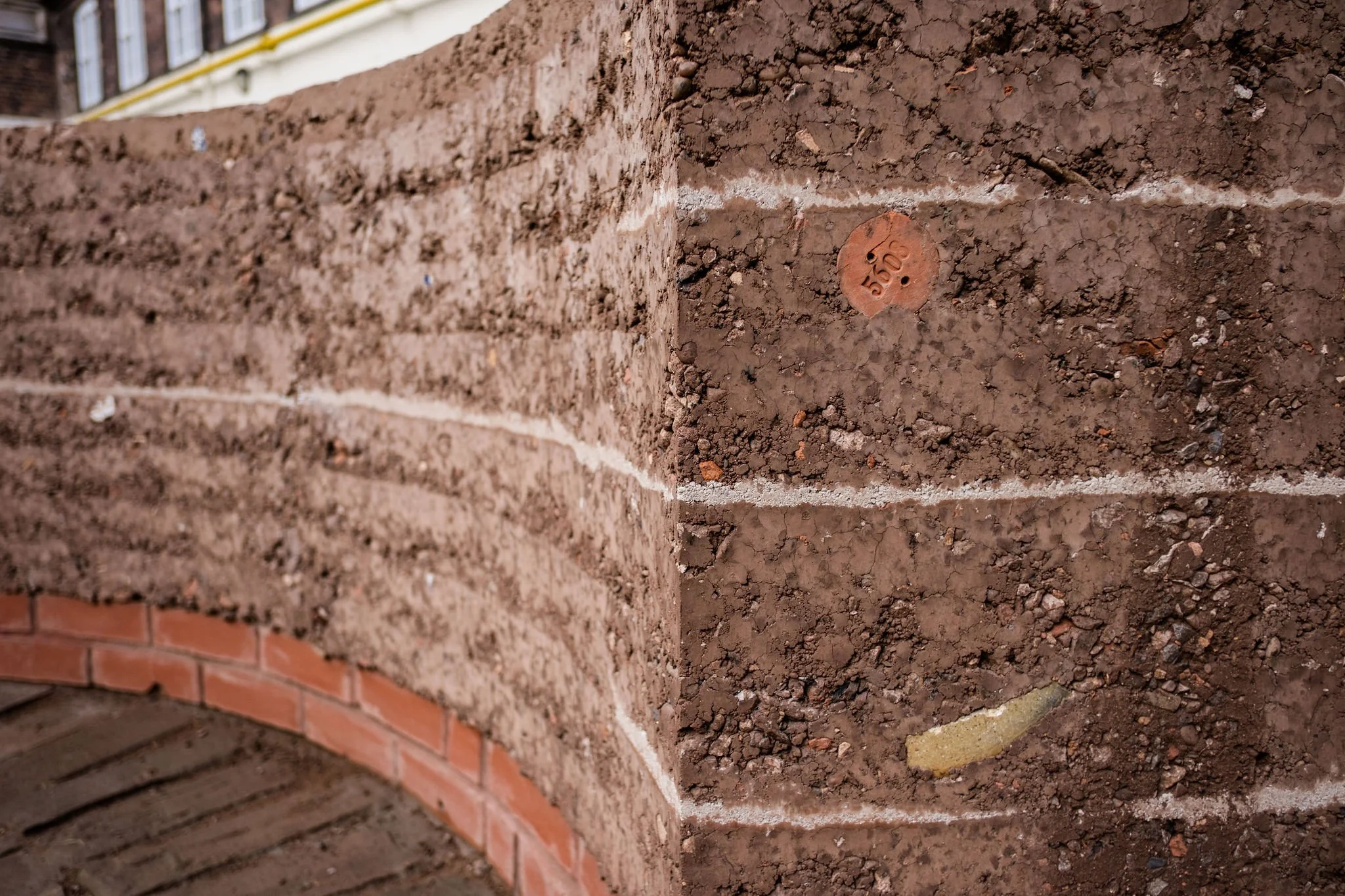
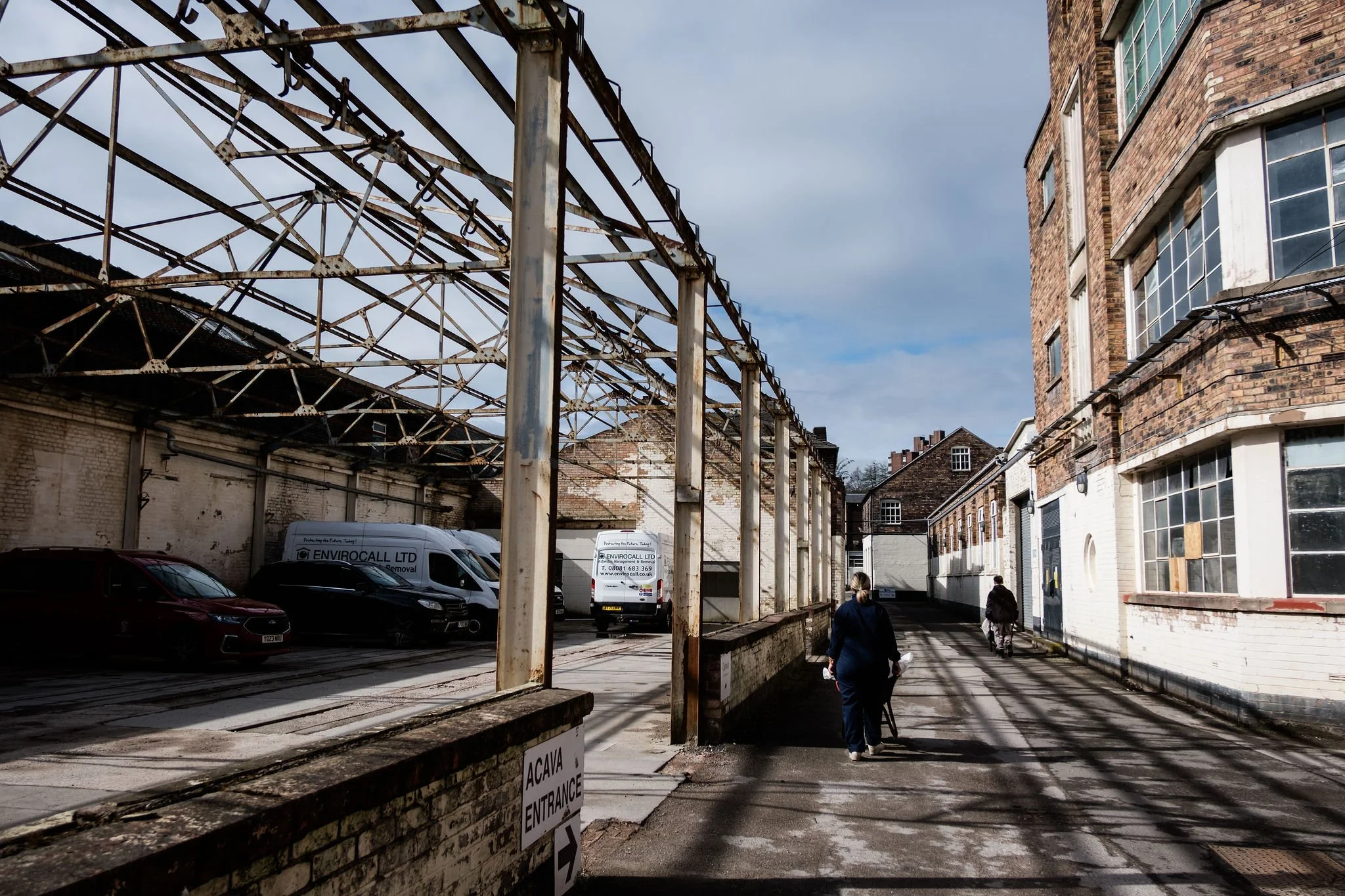
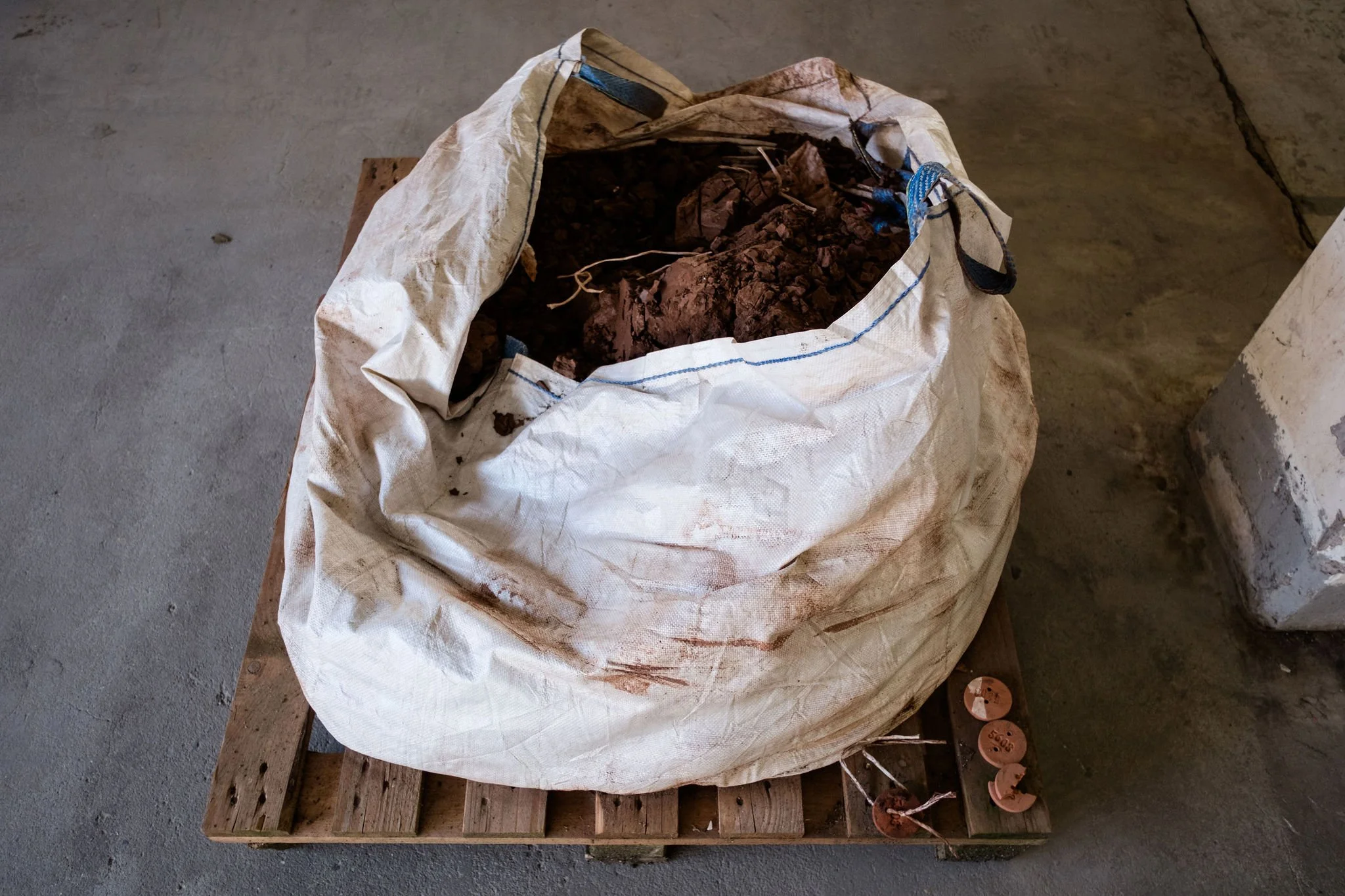
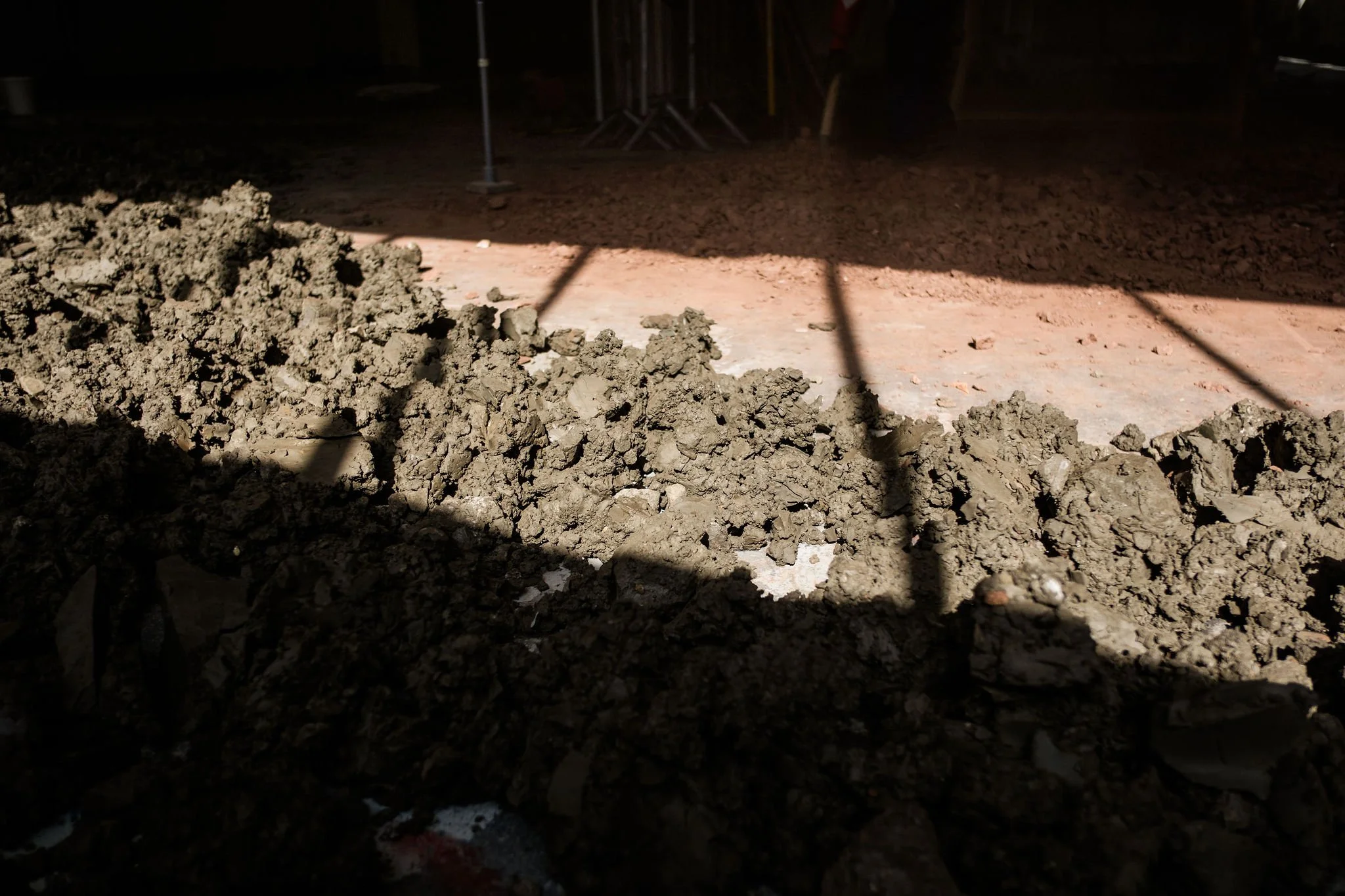
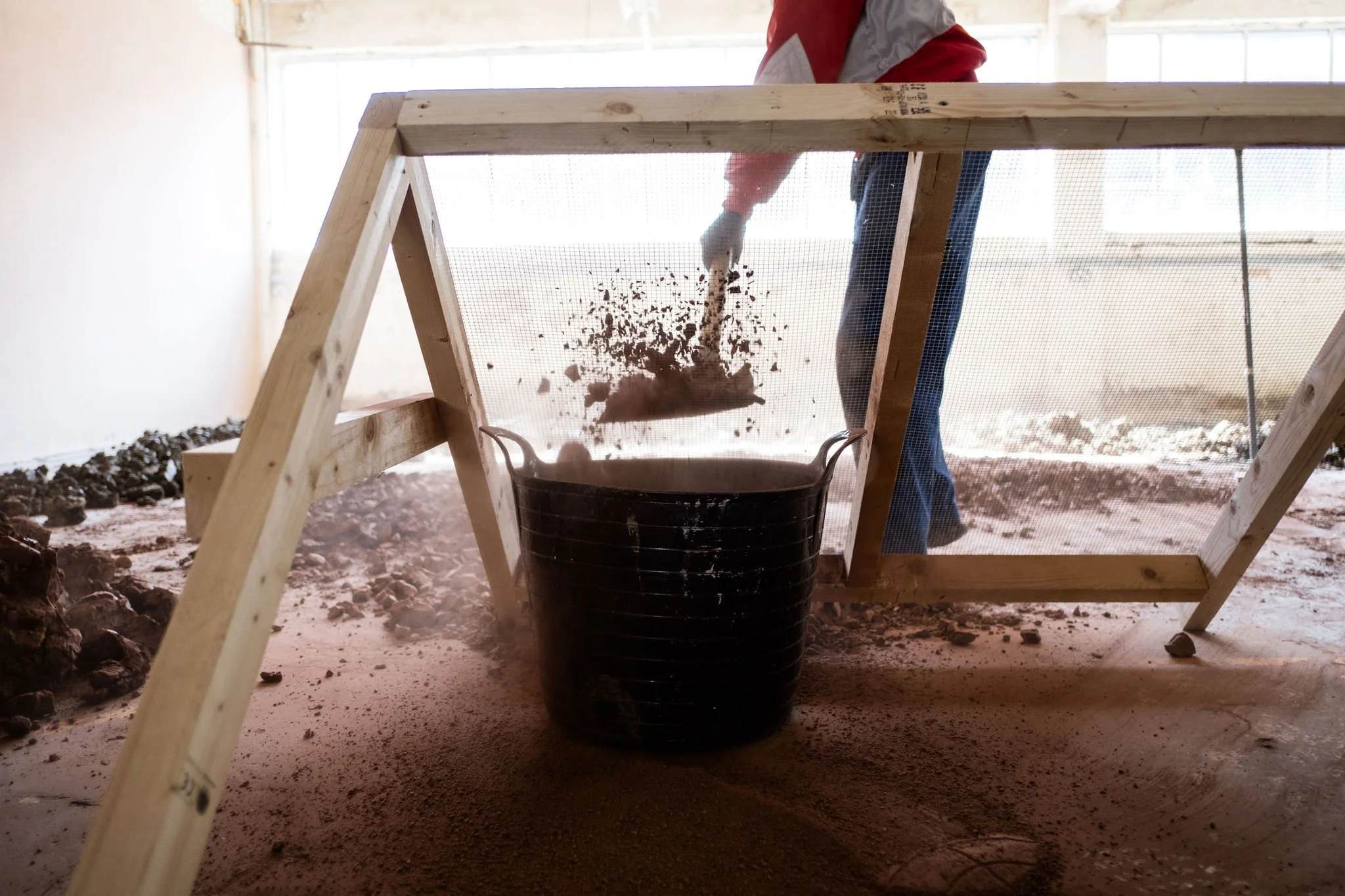
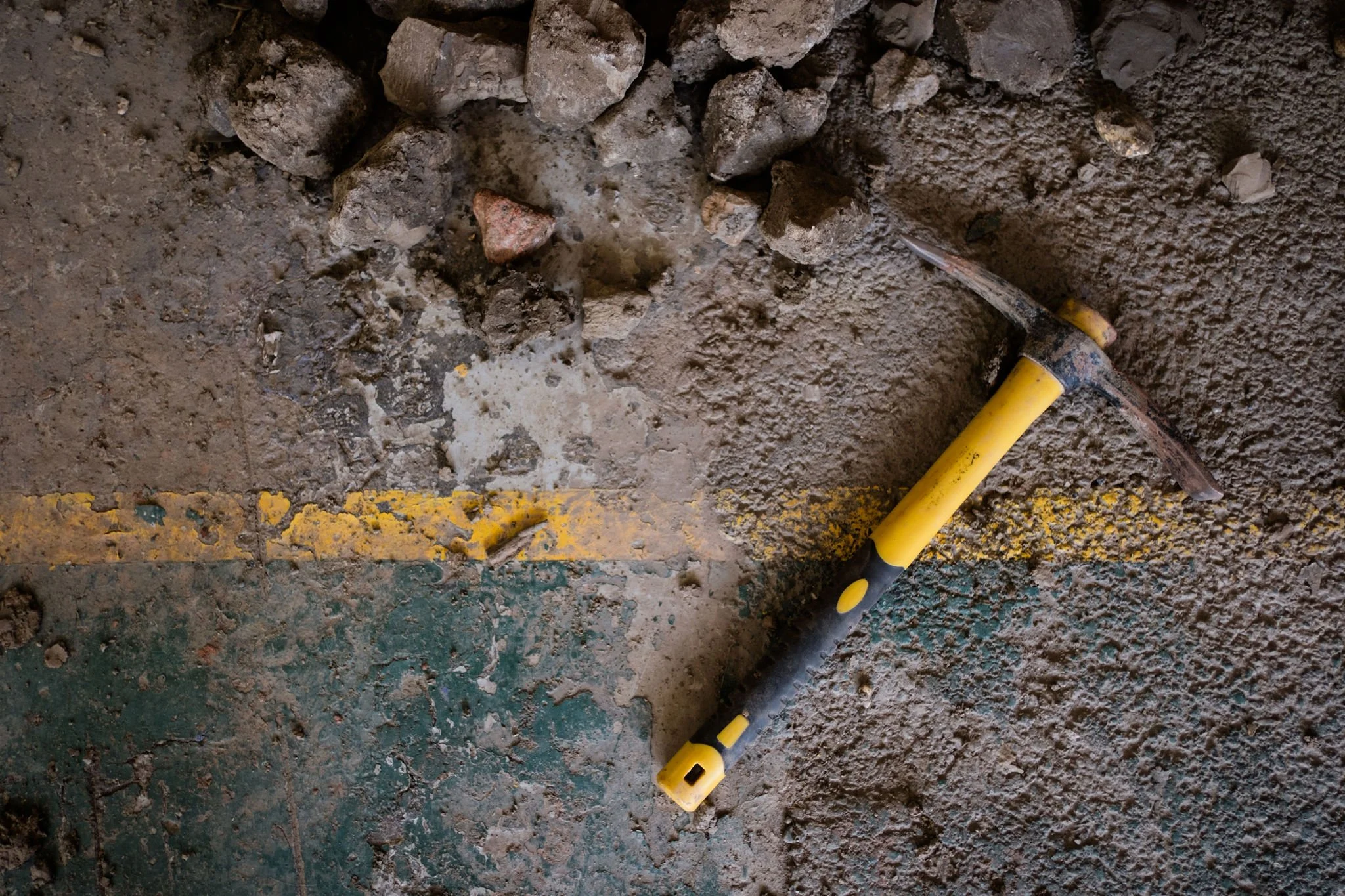
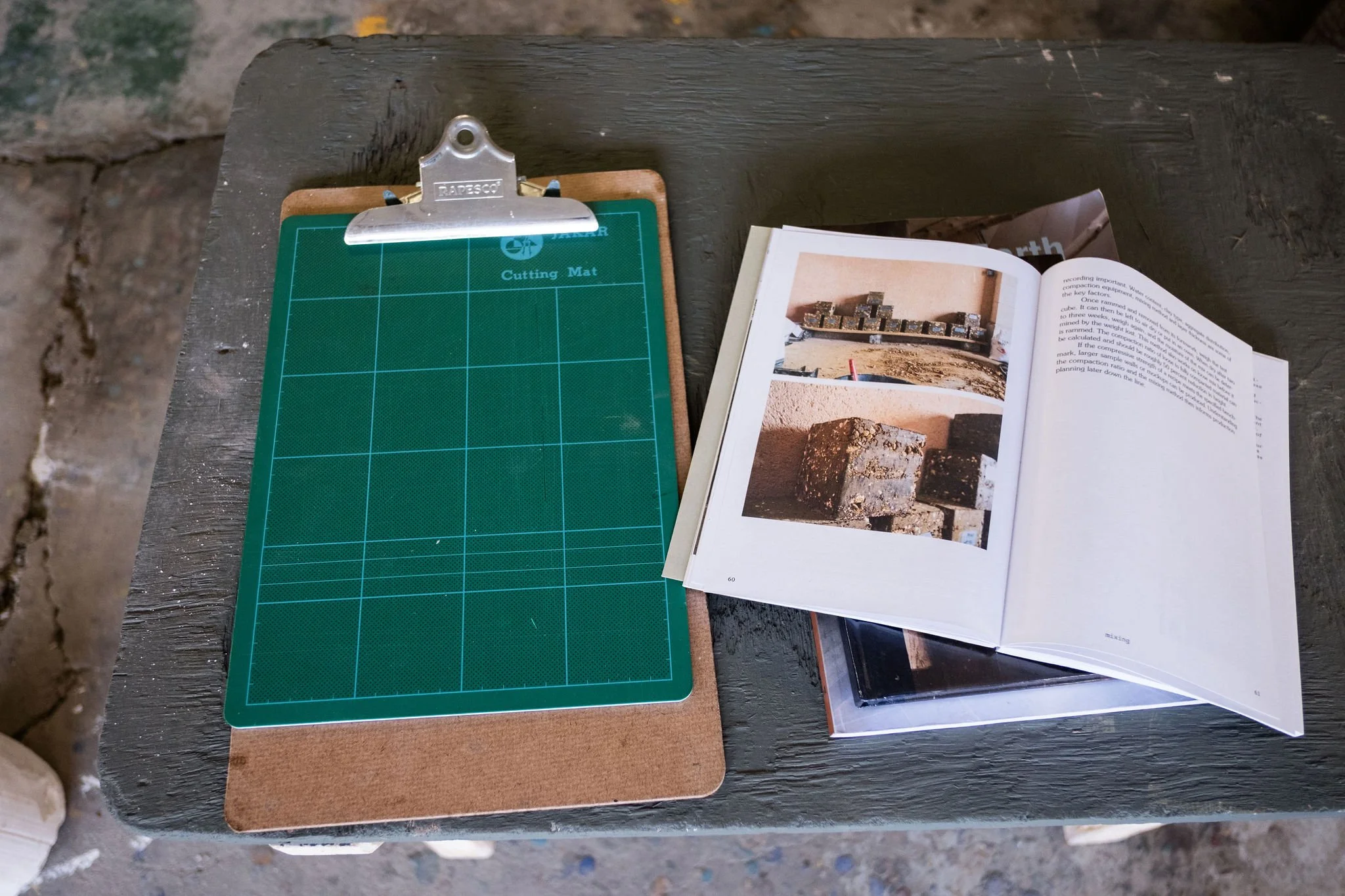
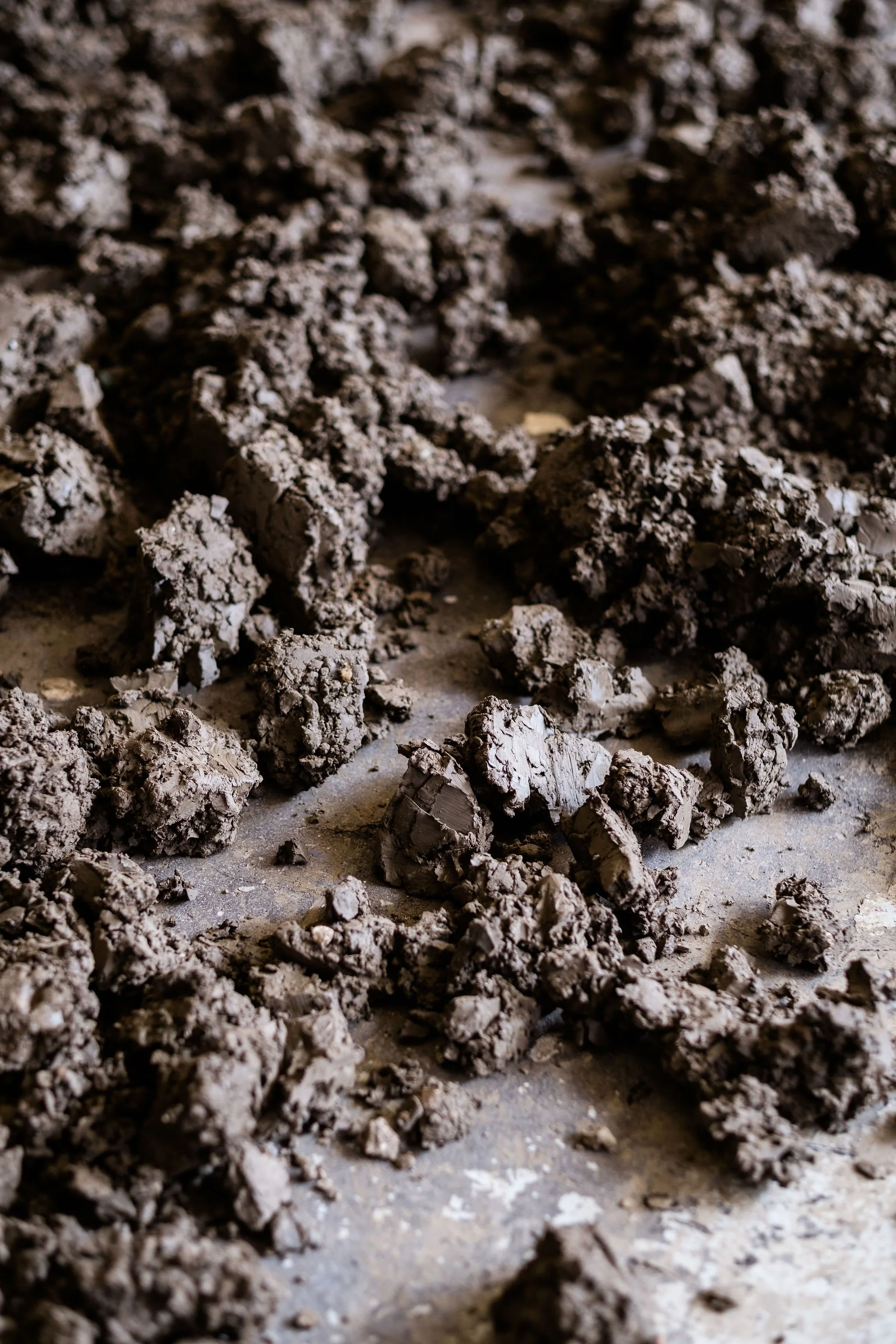
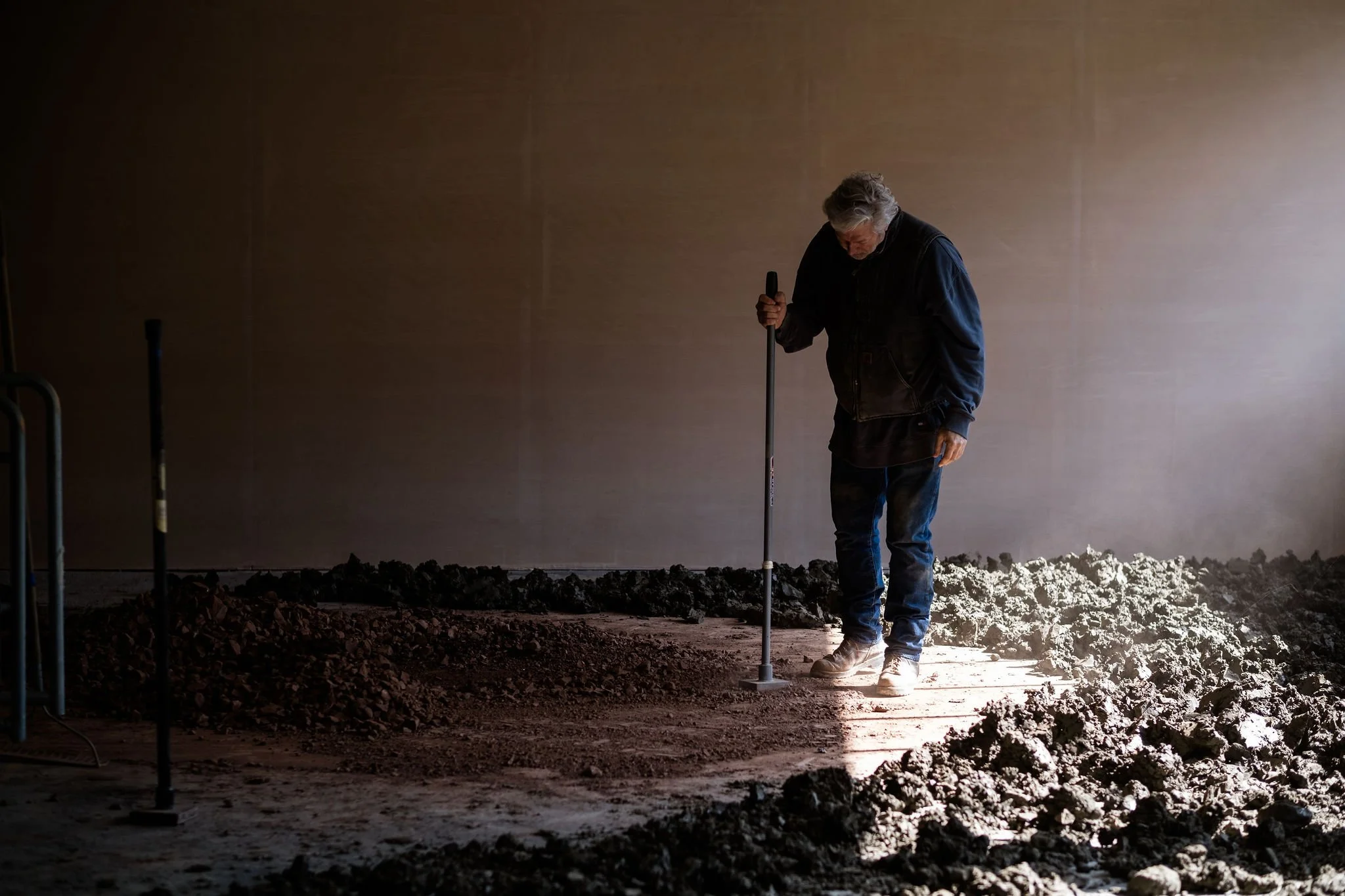
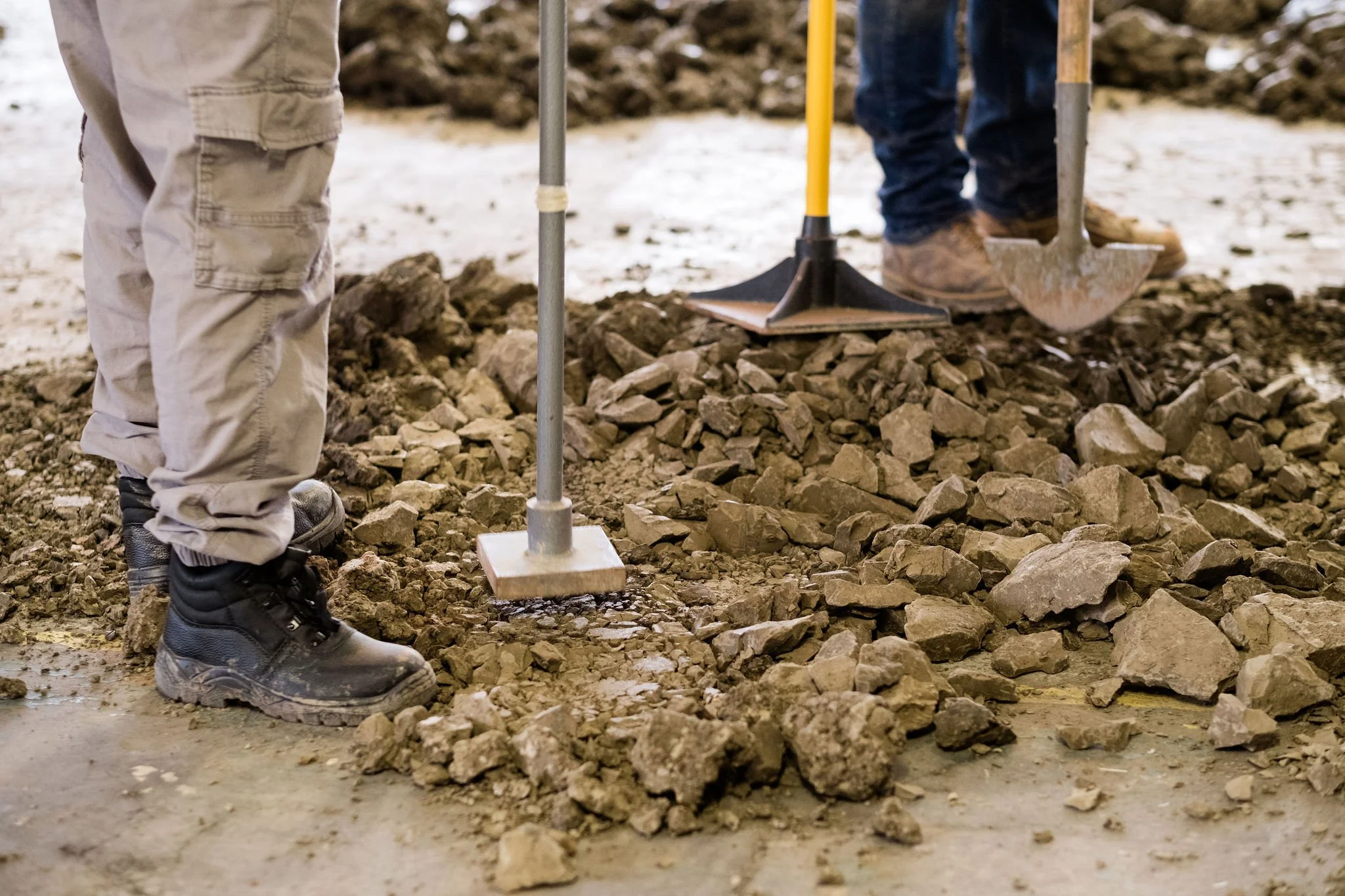
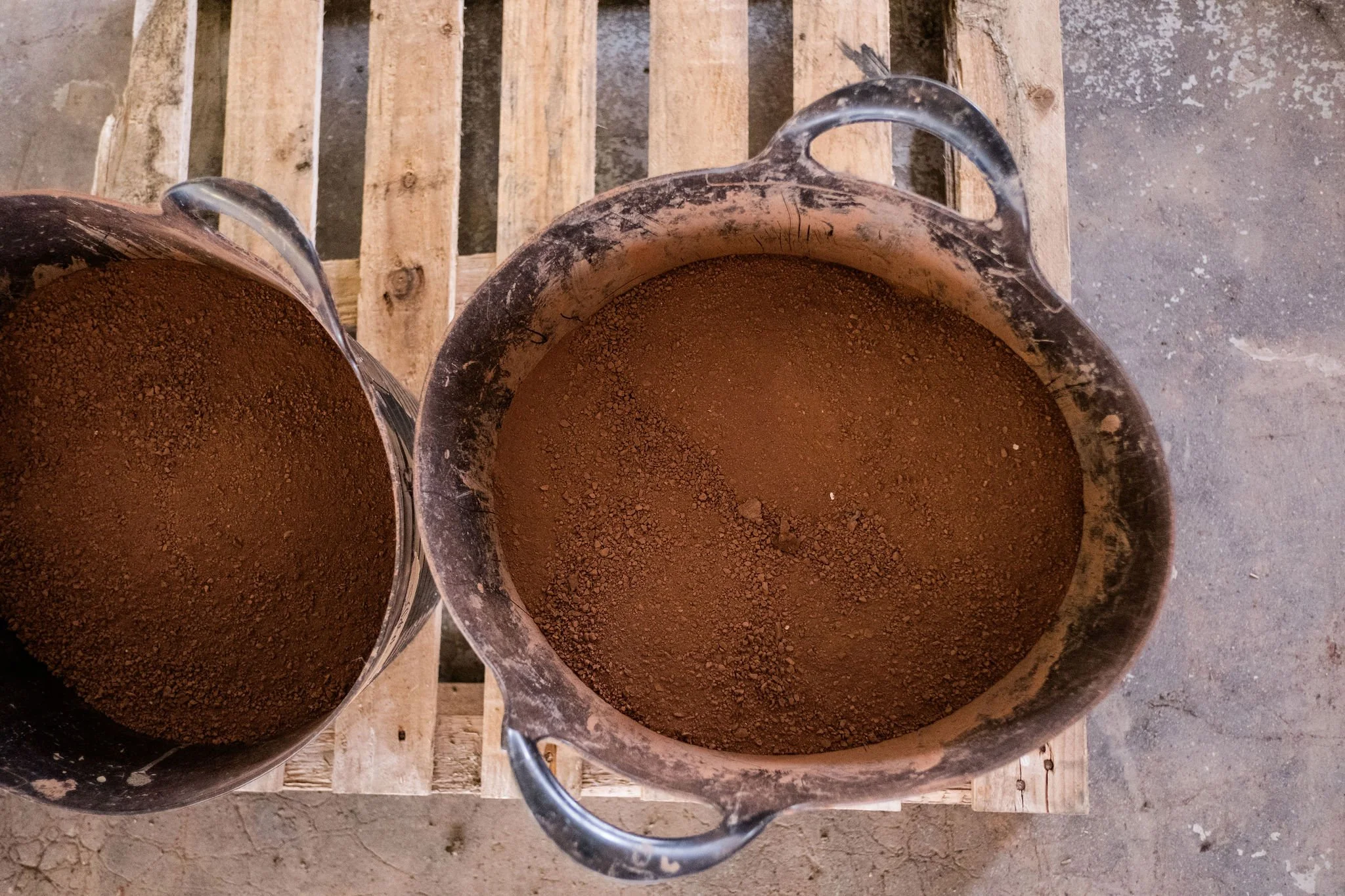
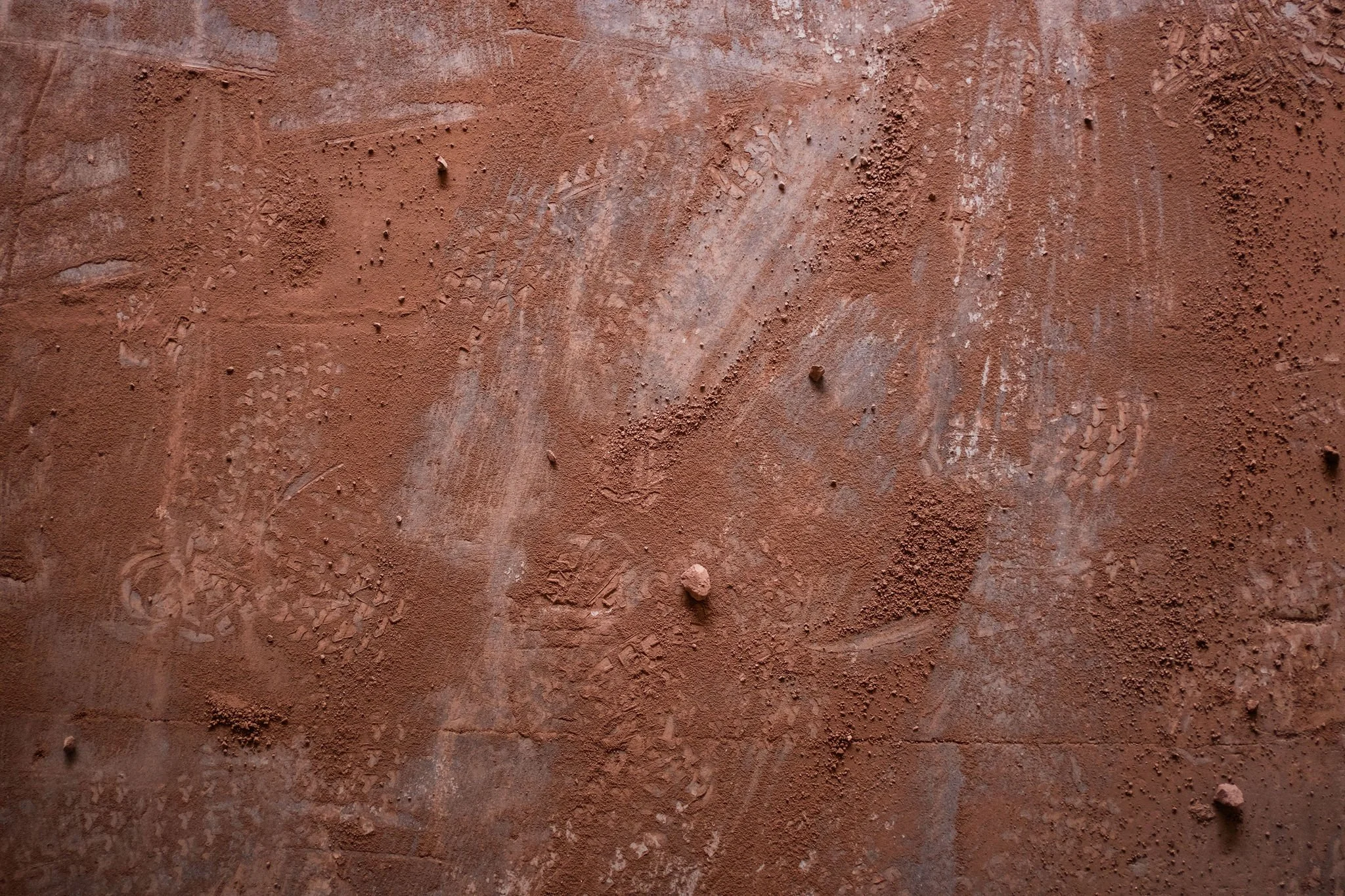
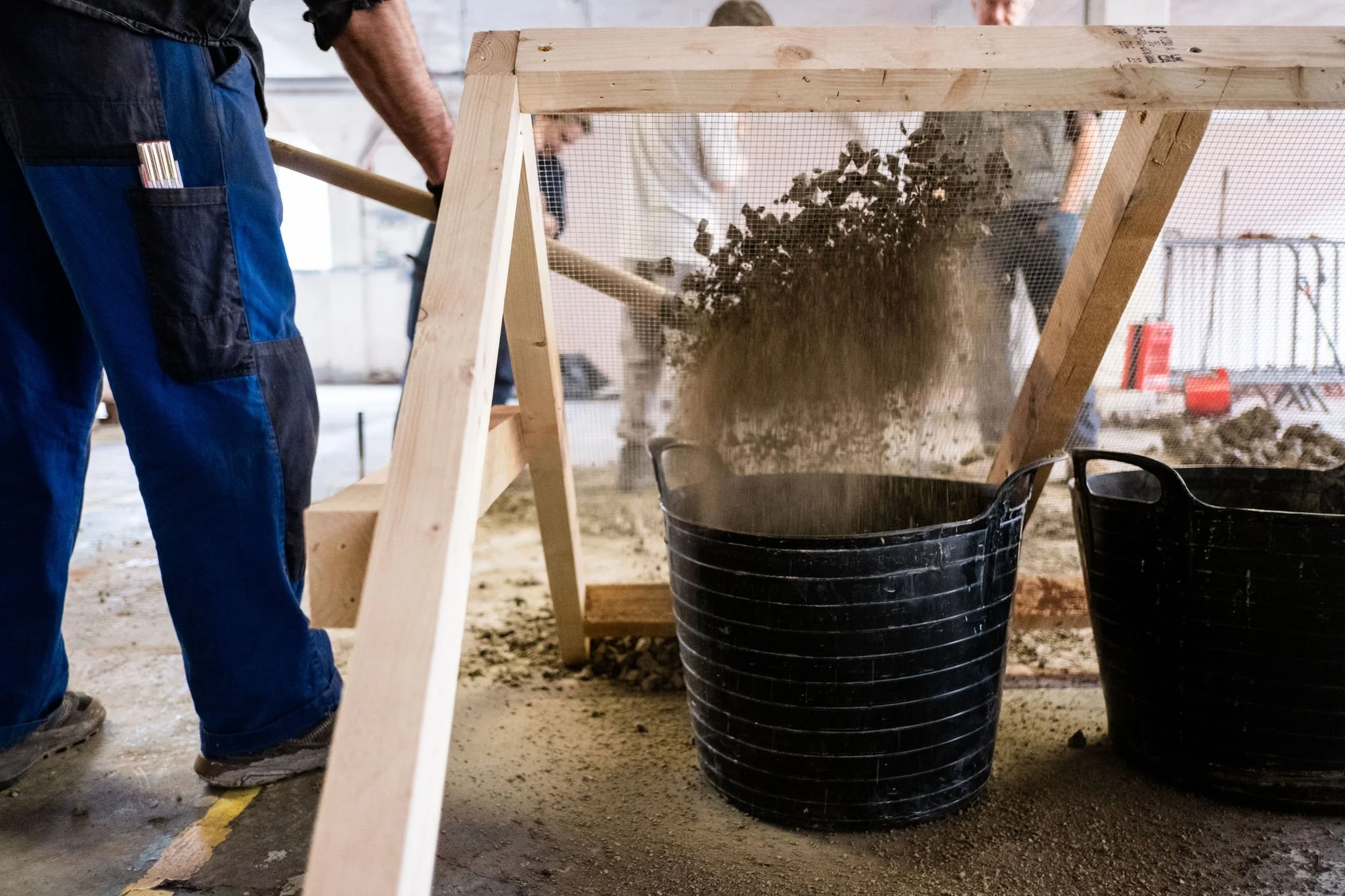
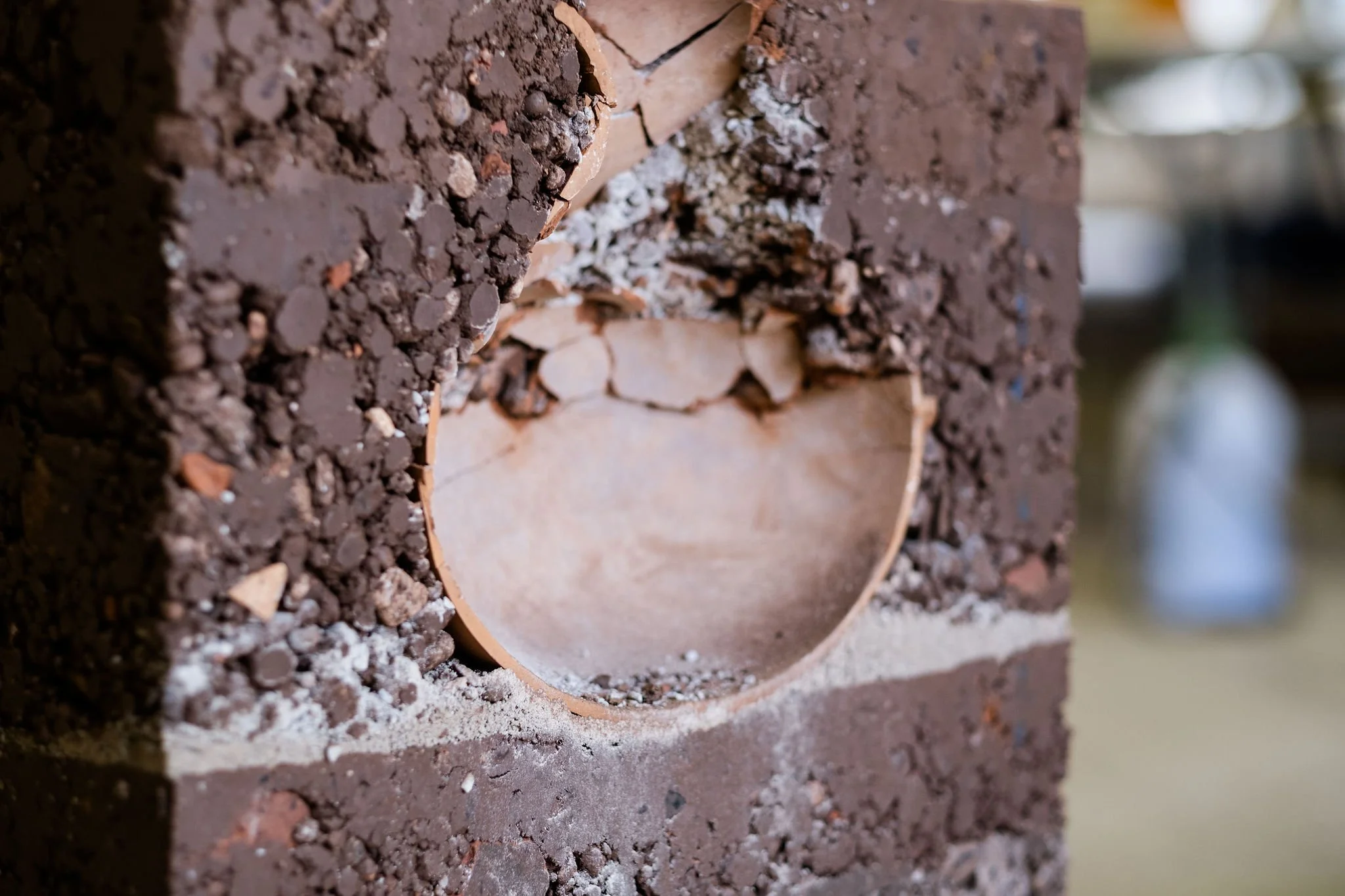
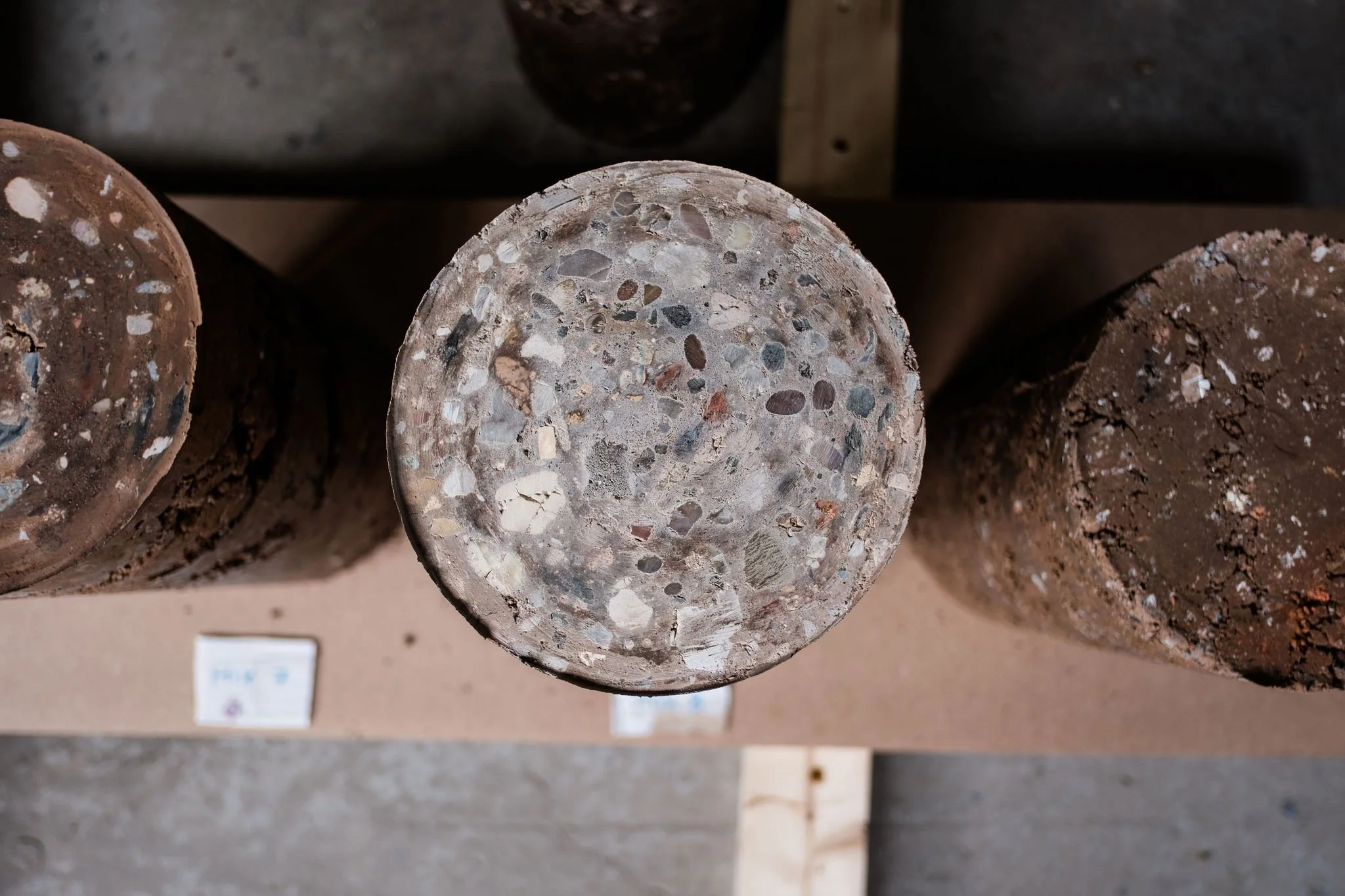
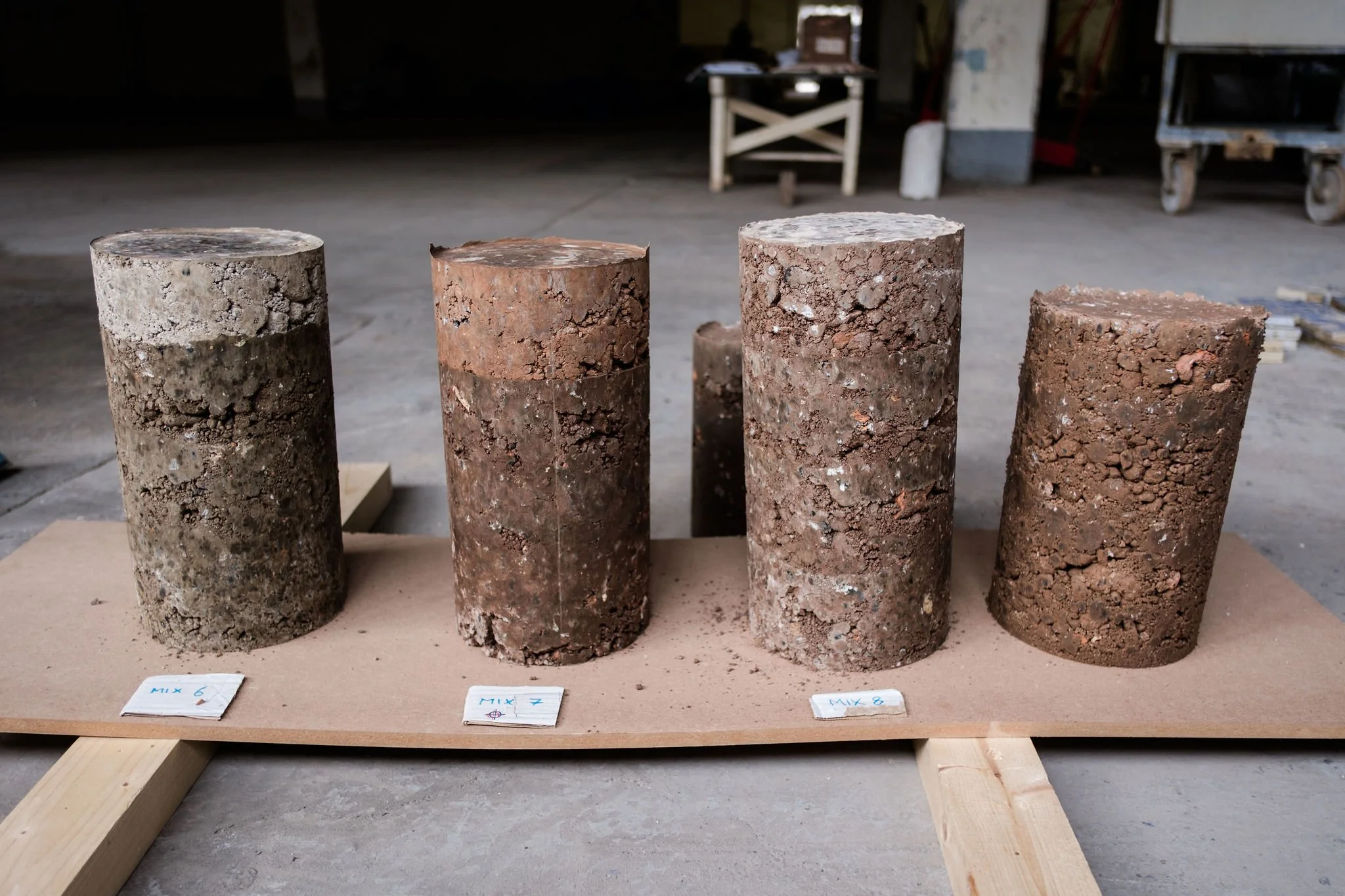
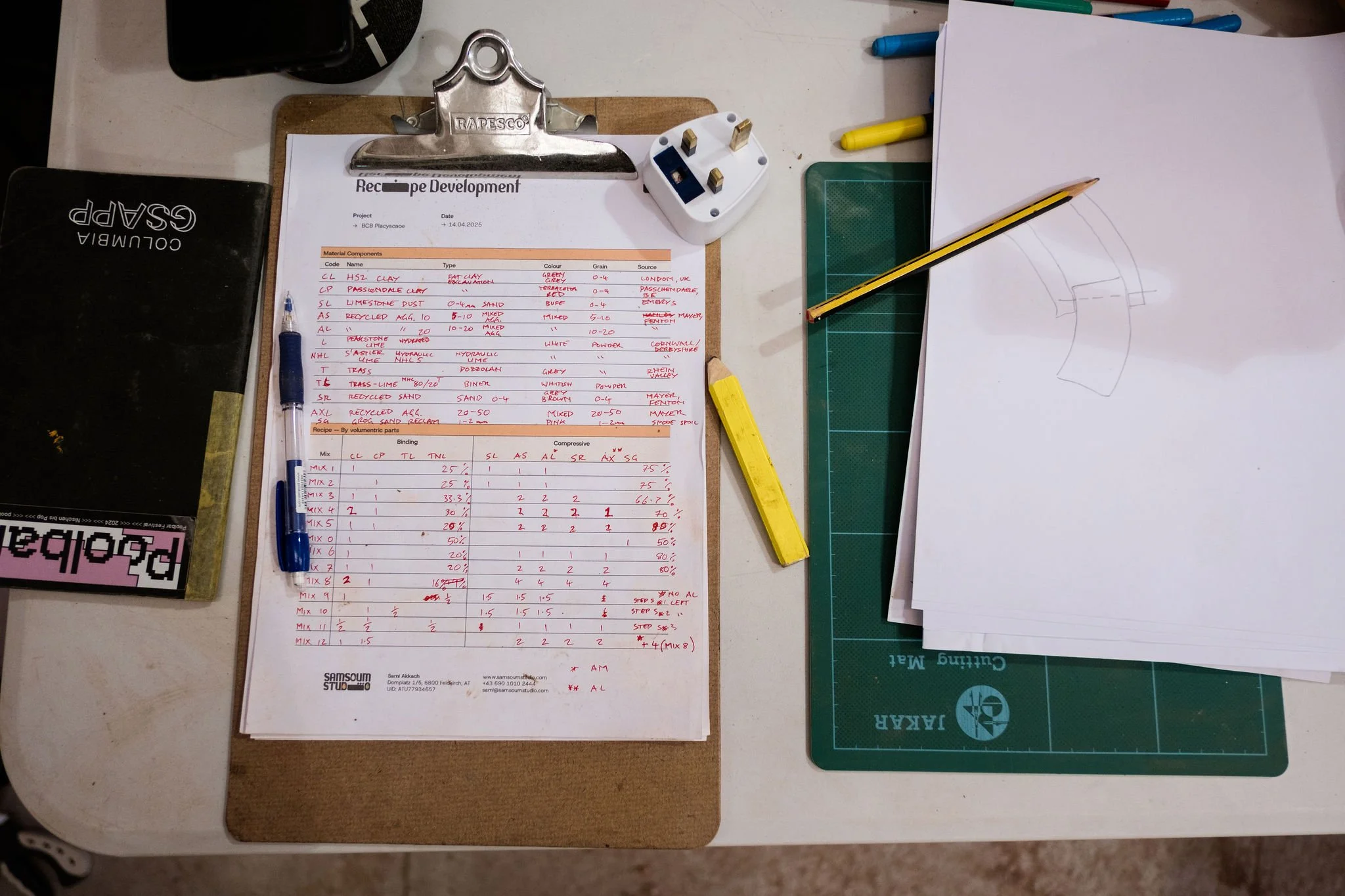
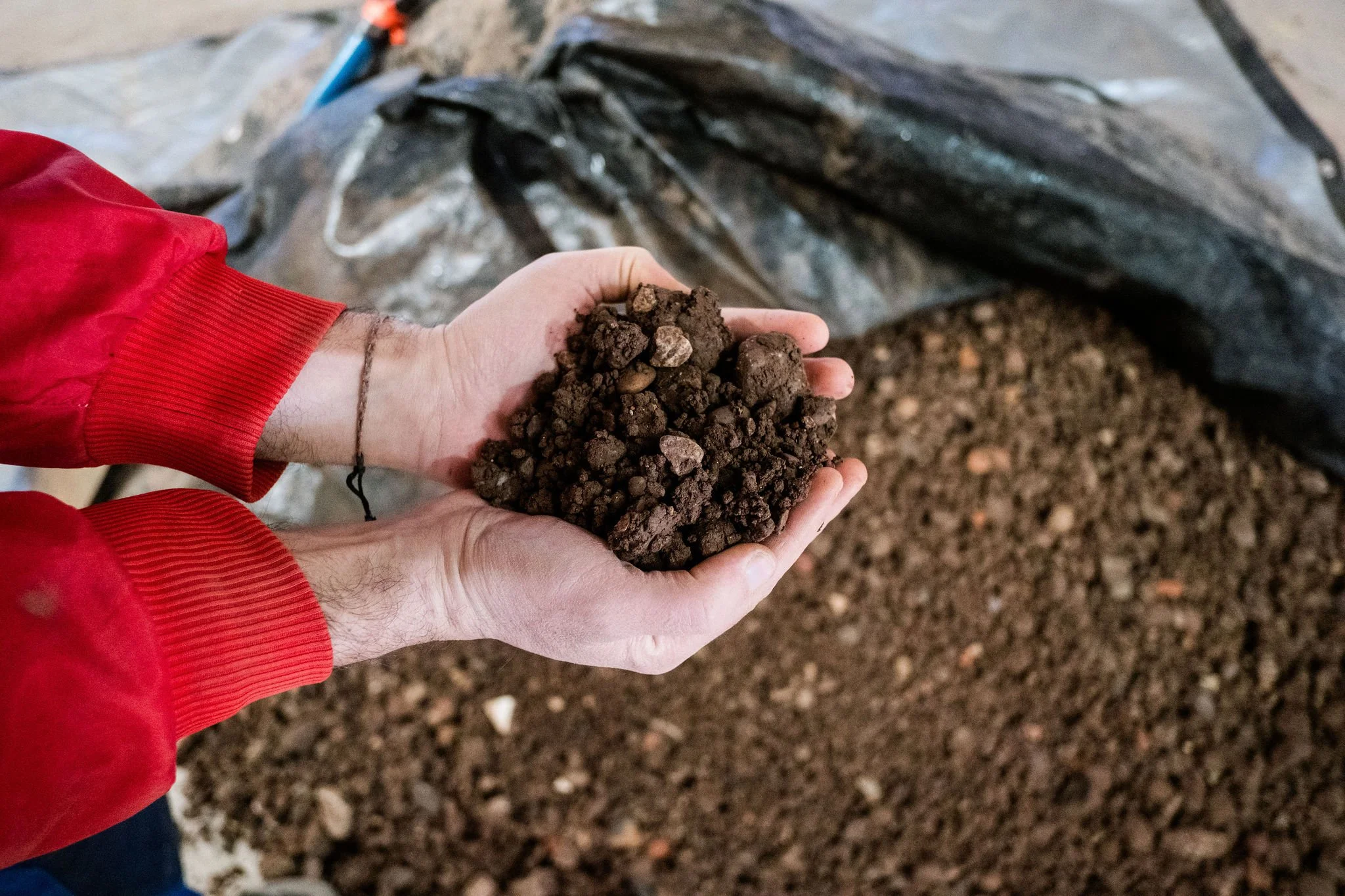
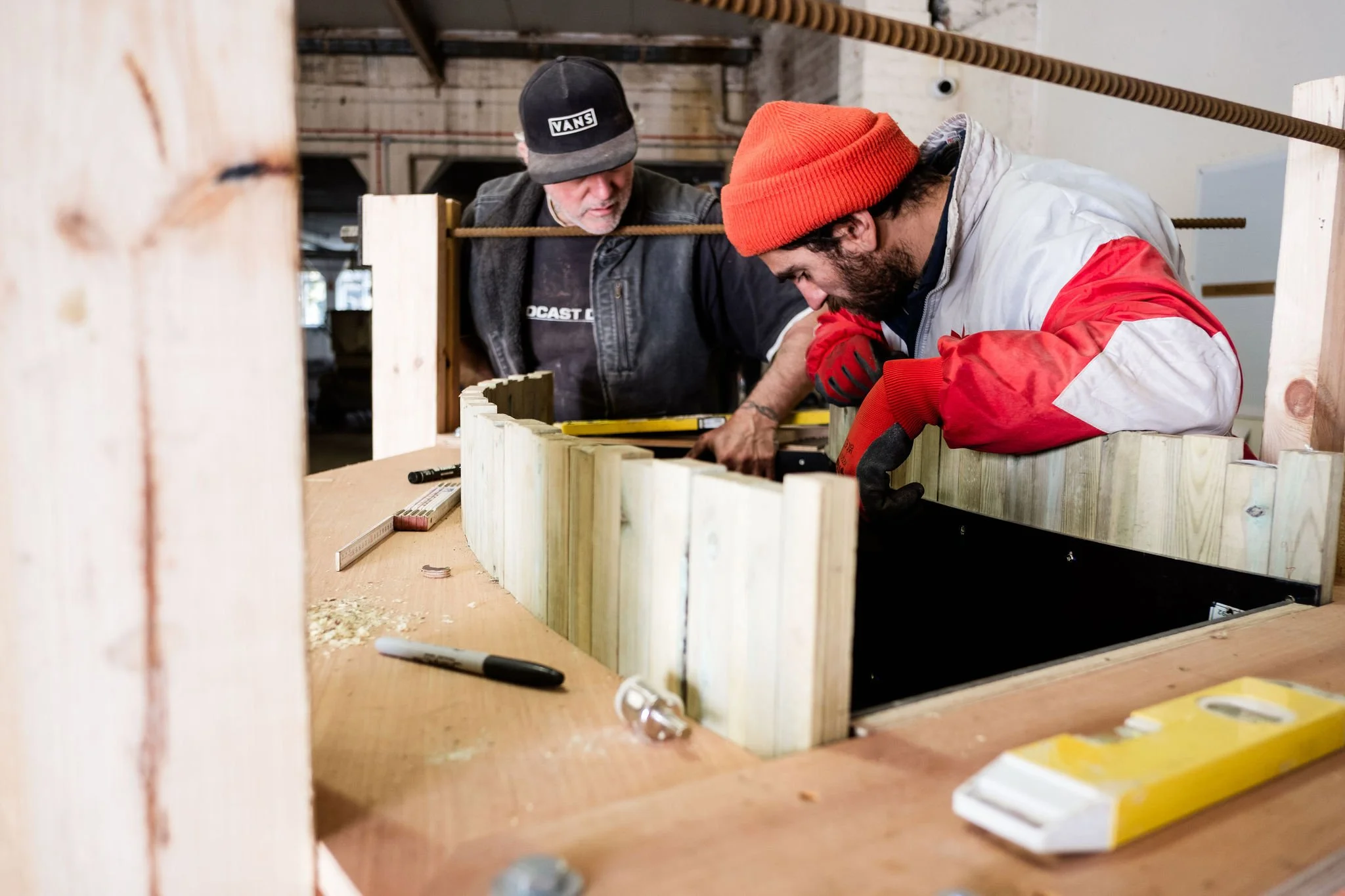
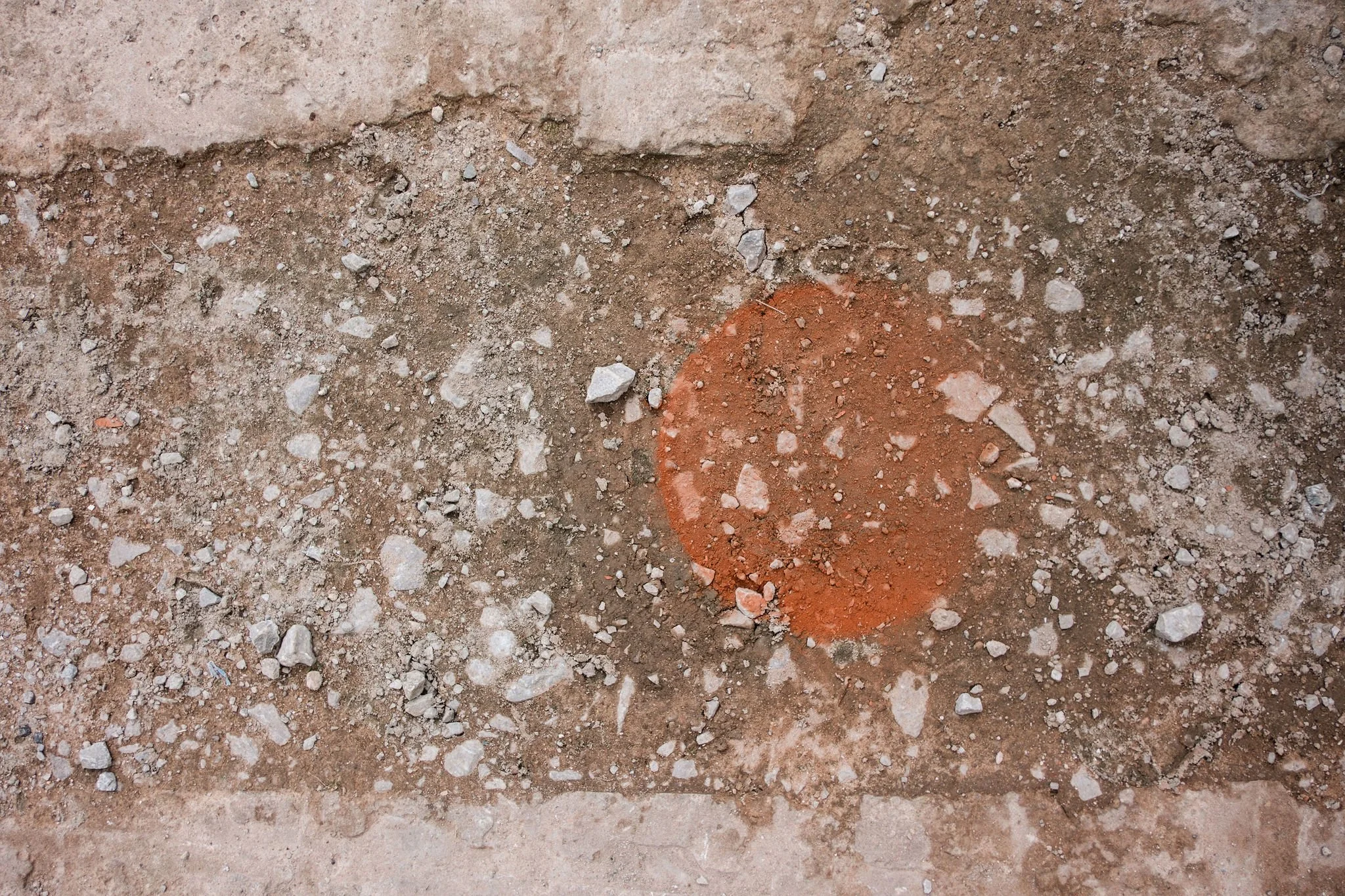
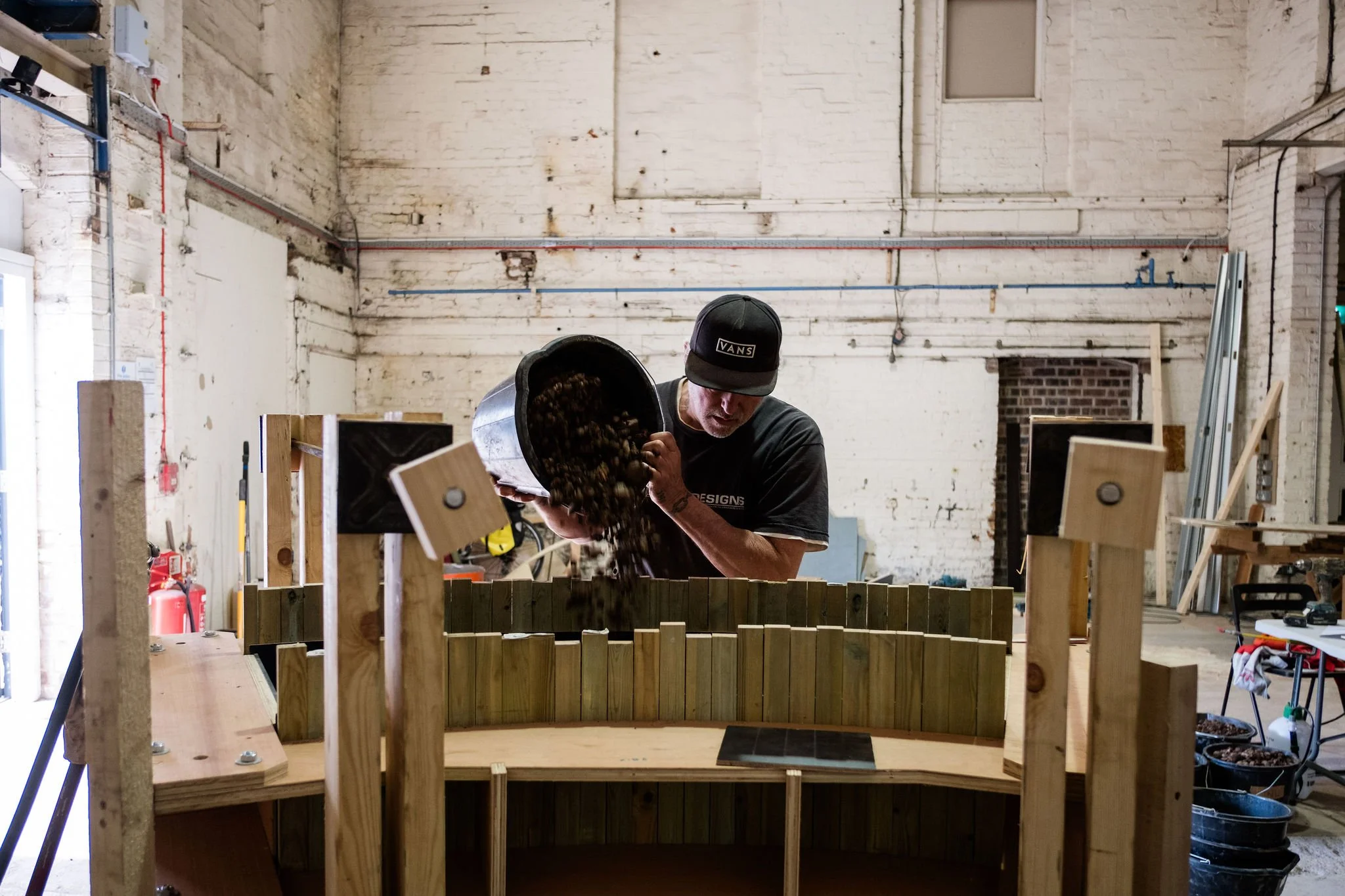
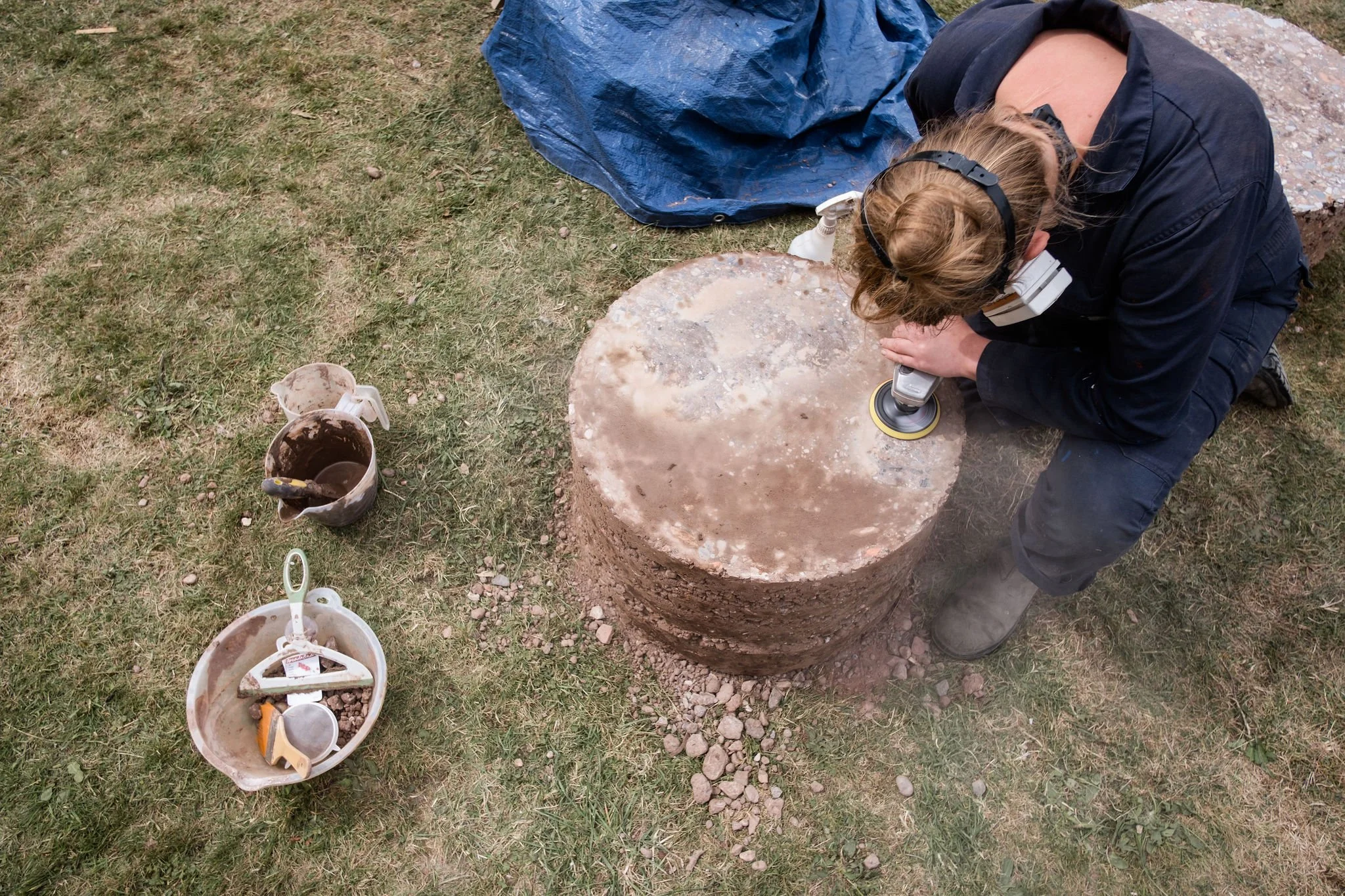
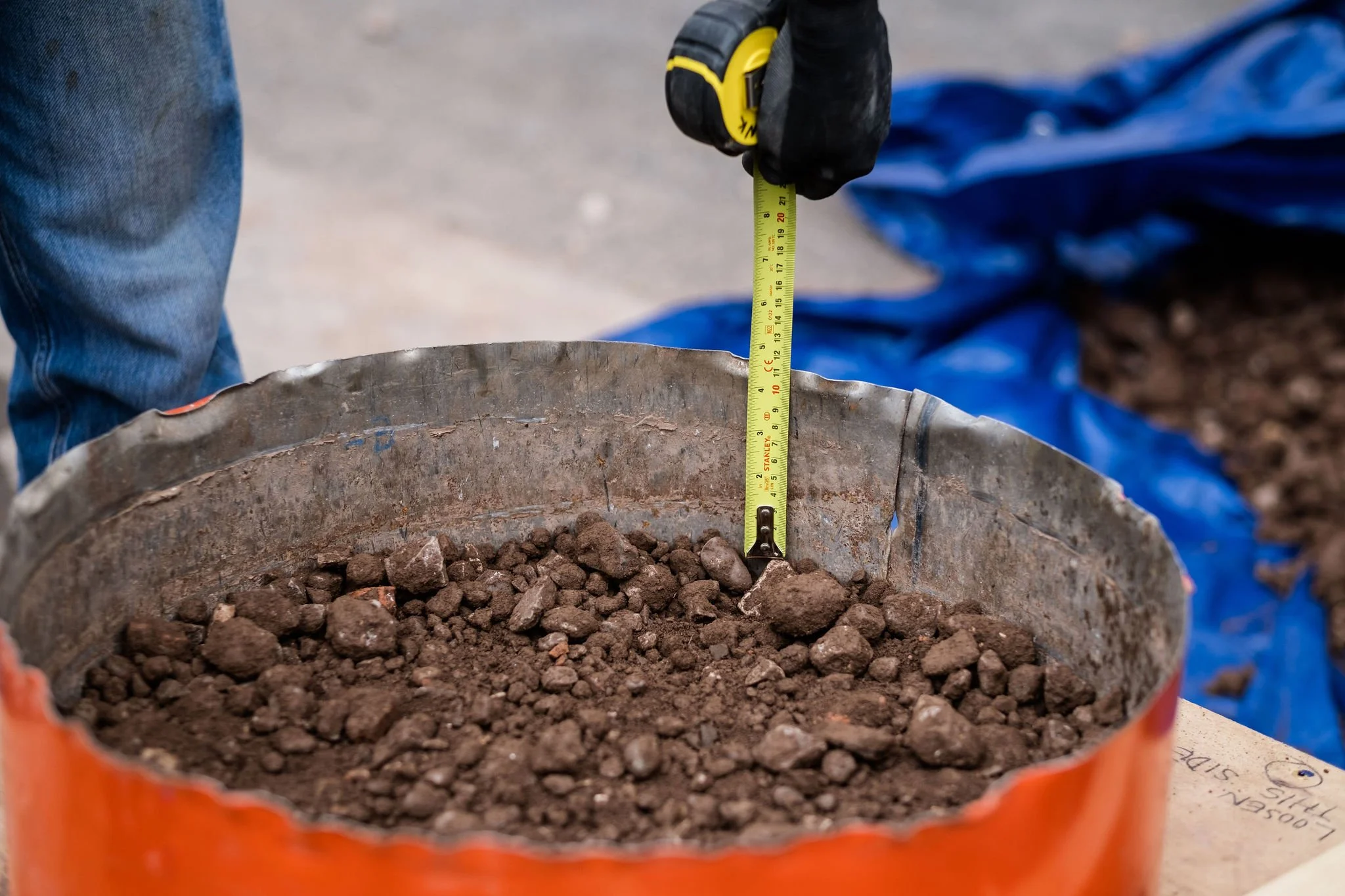
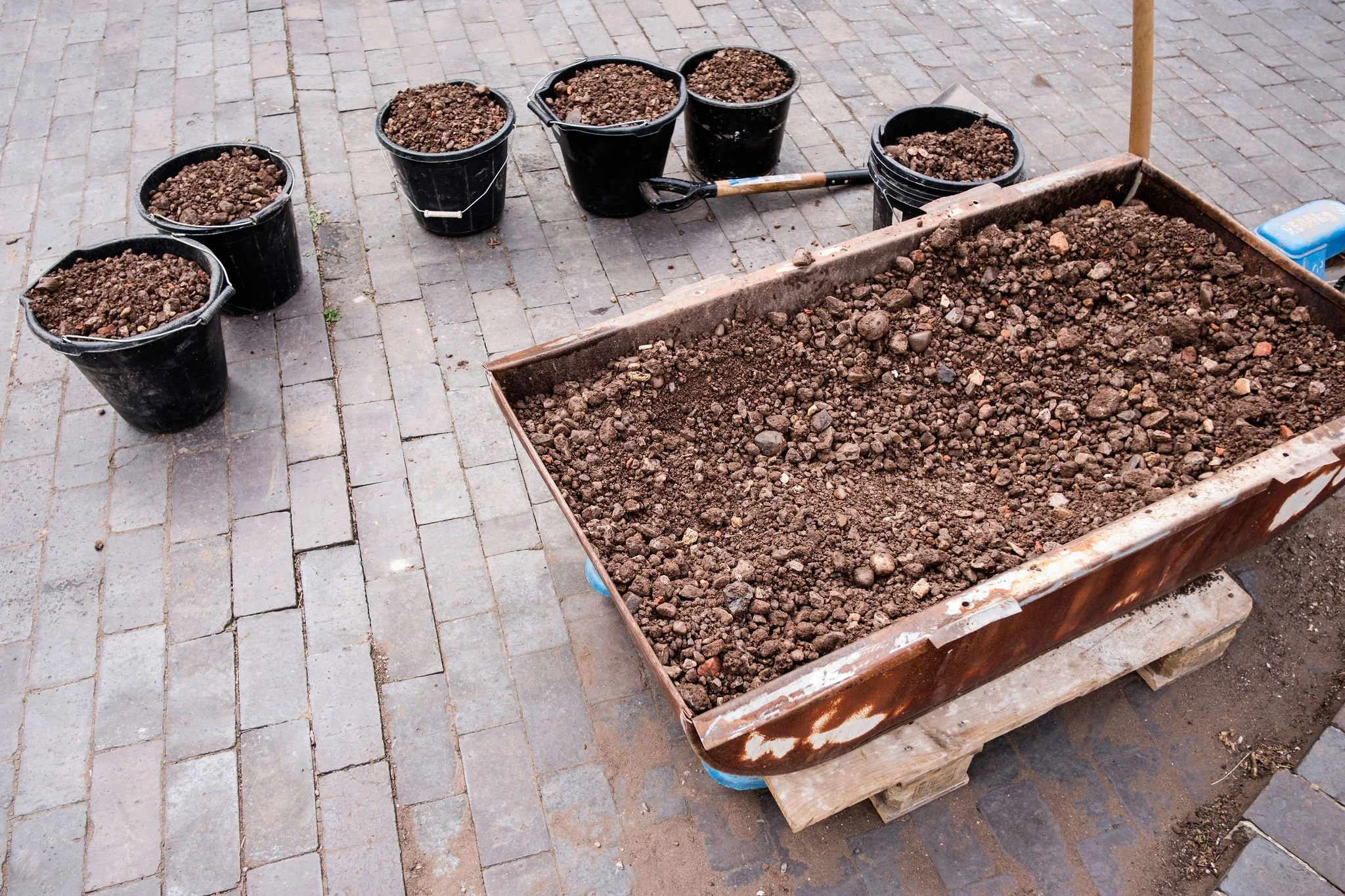
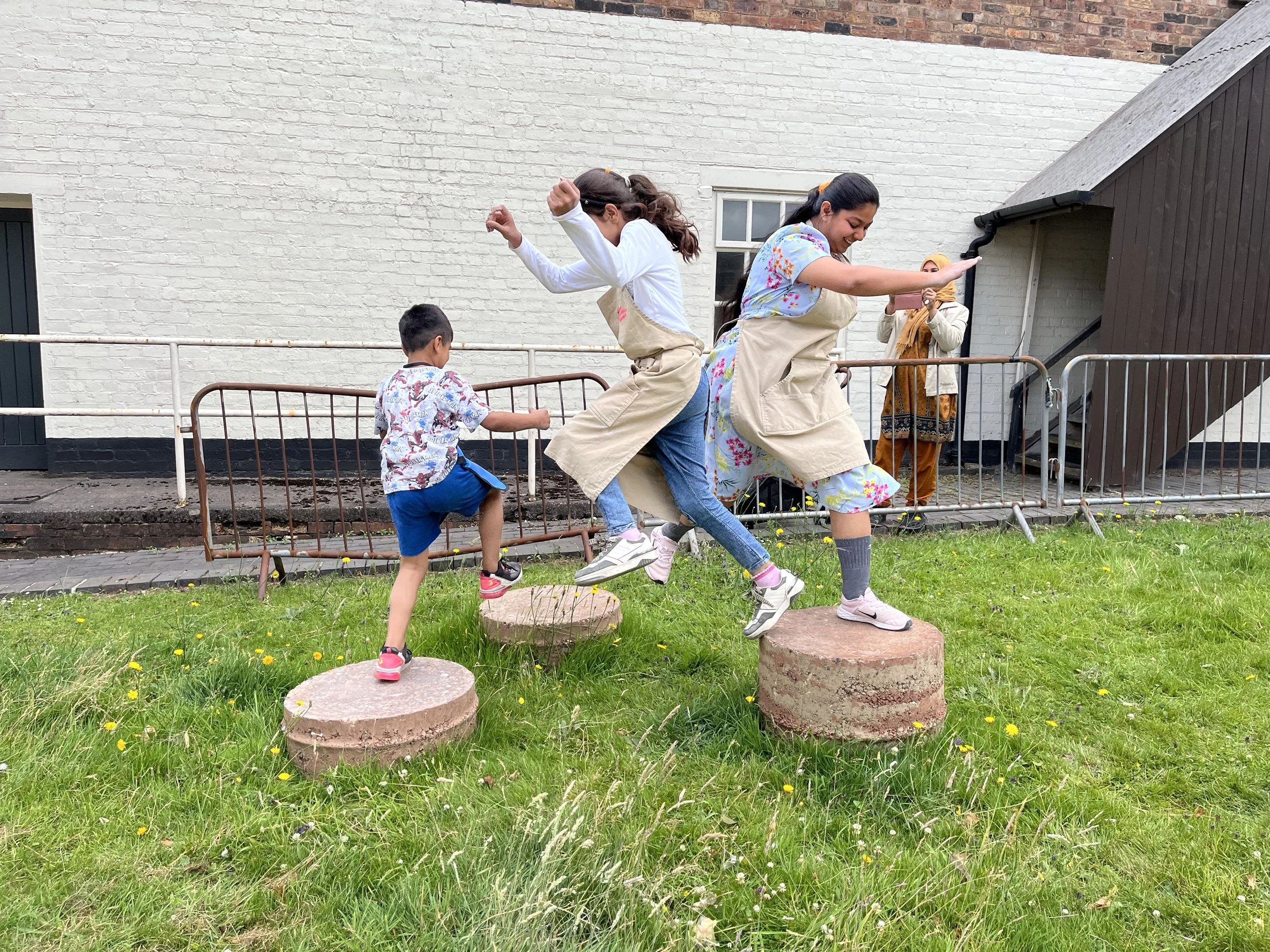
Playscape was a temporary interactive installation and social infrastructure project situated at the historic Spode Works in Stoke-on-Trent for the 2025 British Ceramics Biennial (BCB). It served as a critical test bed and prototype for a future permanent play space, addressing a local shortage of play facilities while exploring how rammed earth, a sustainable and ancient construction technique, can repurpose industrial waste into joyful public environments. The structure was built from a mixture of construction spoil clay, combined with crushed demolition debris, pottery shards, and kiln furniture that reflected the city’s deep ceramic heritage.
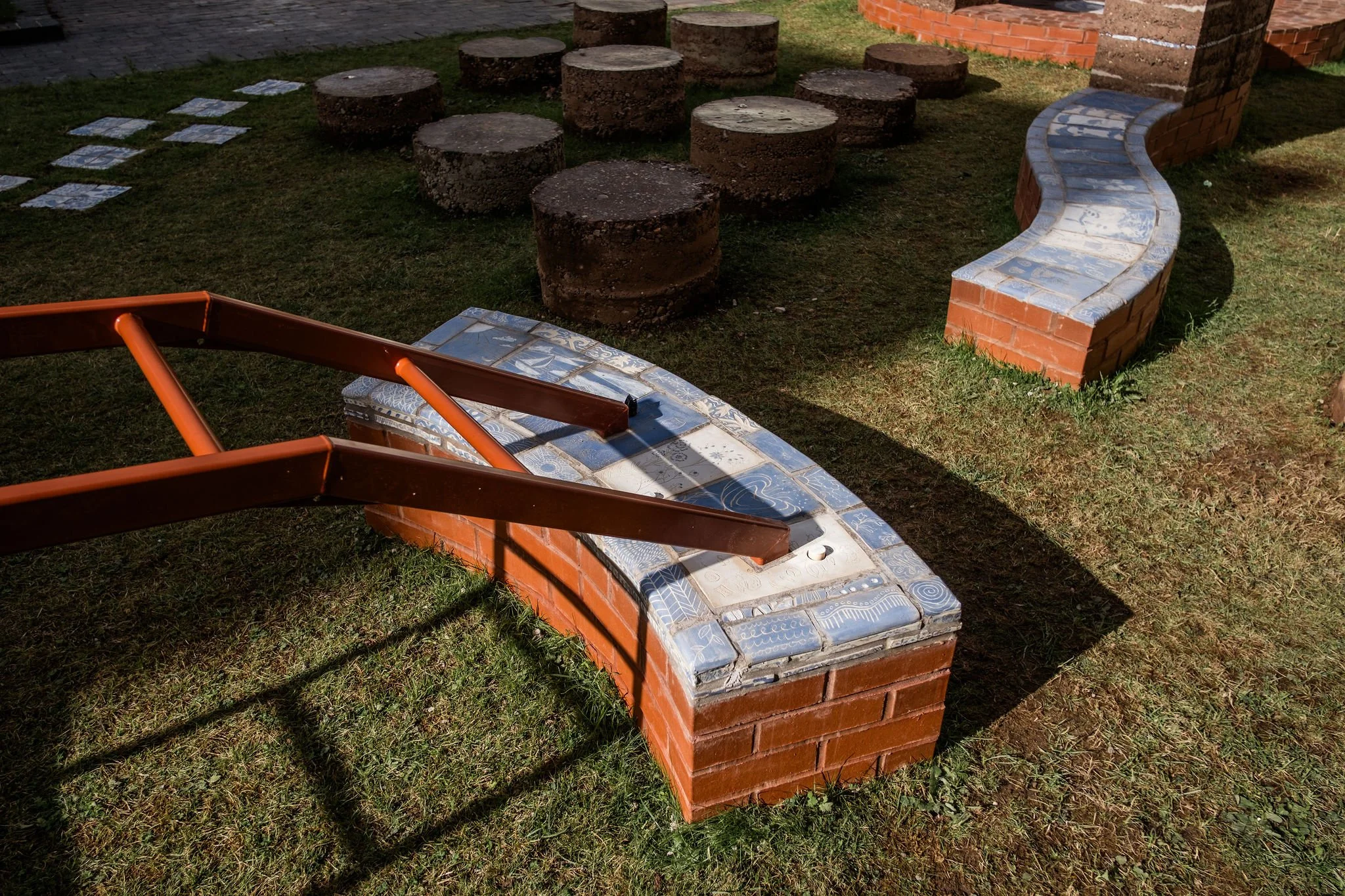
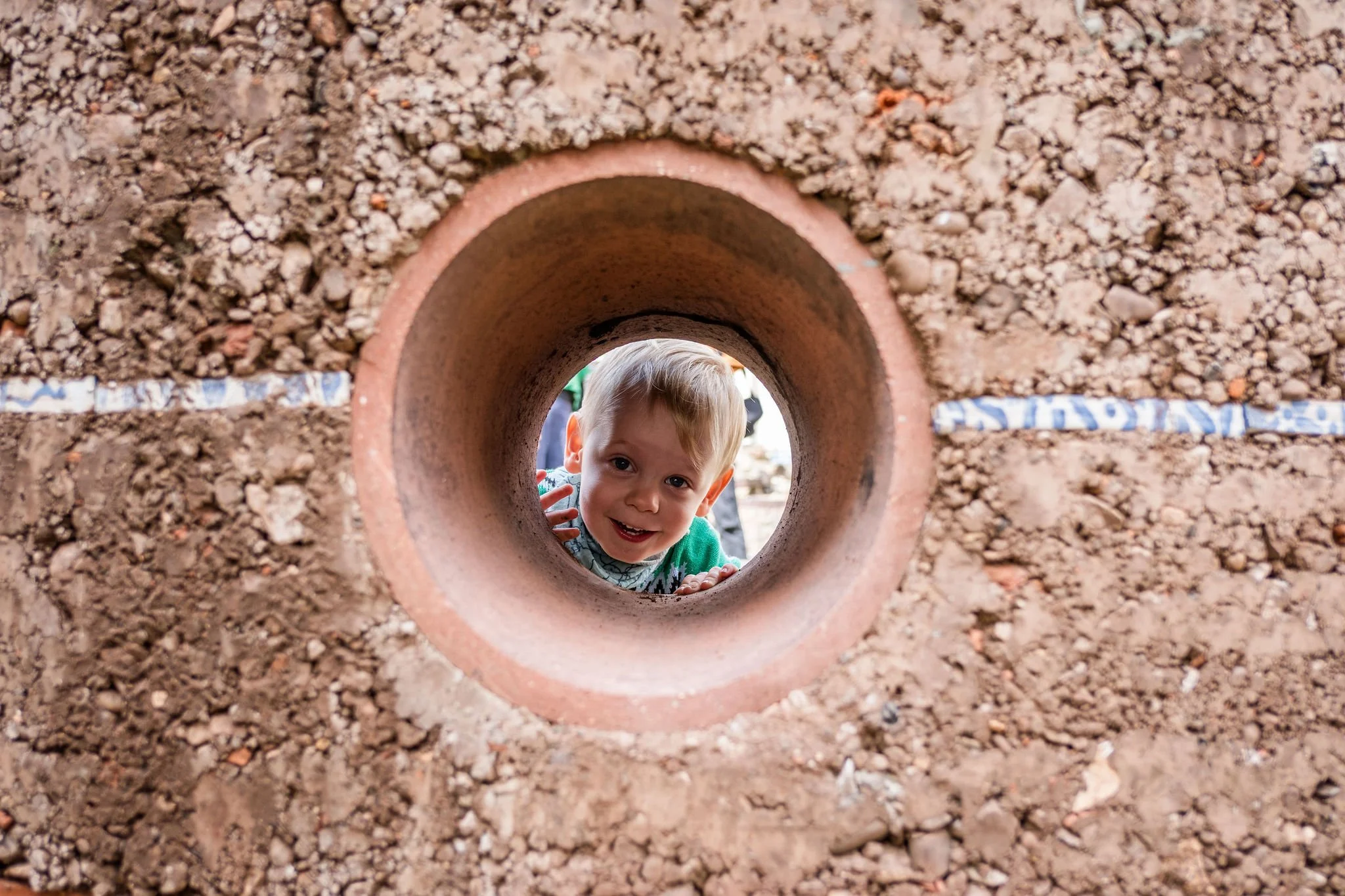
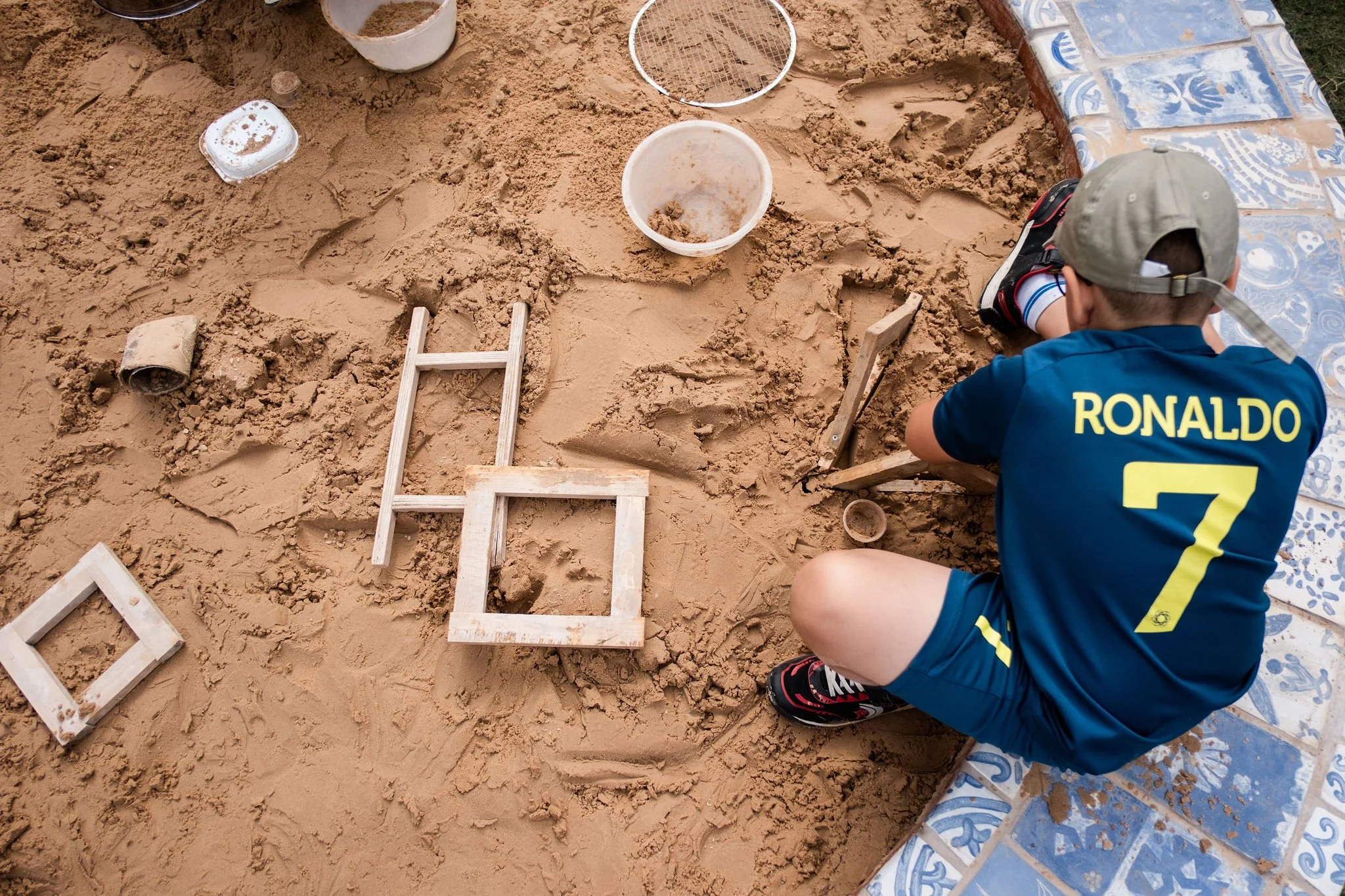
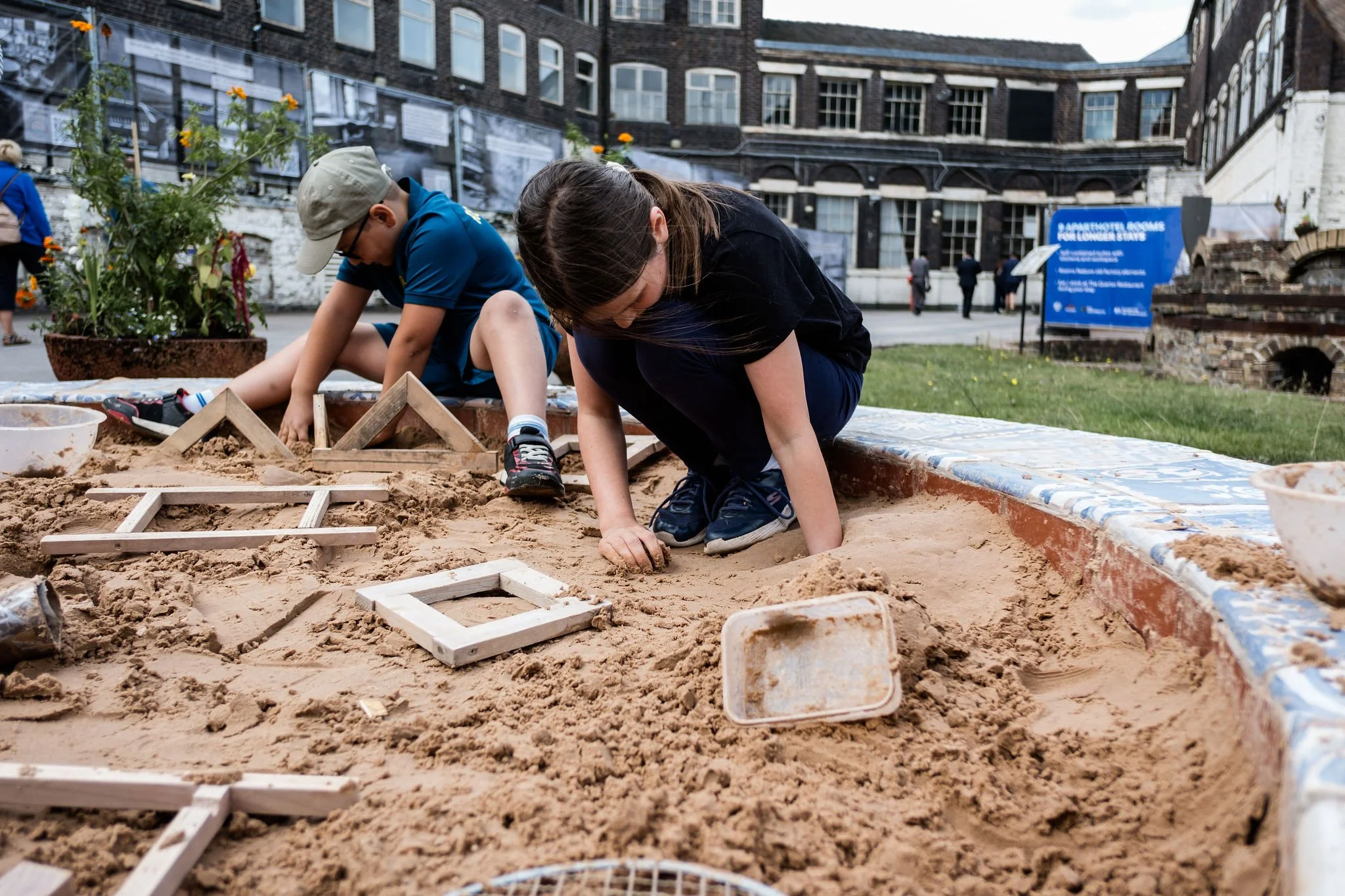
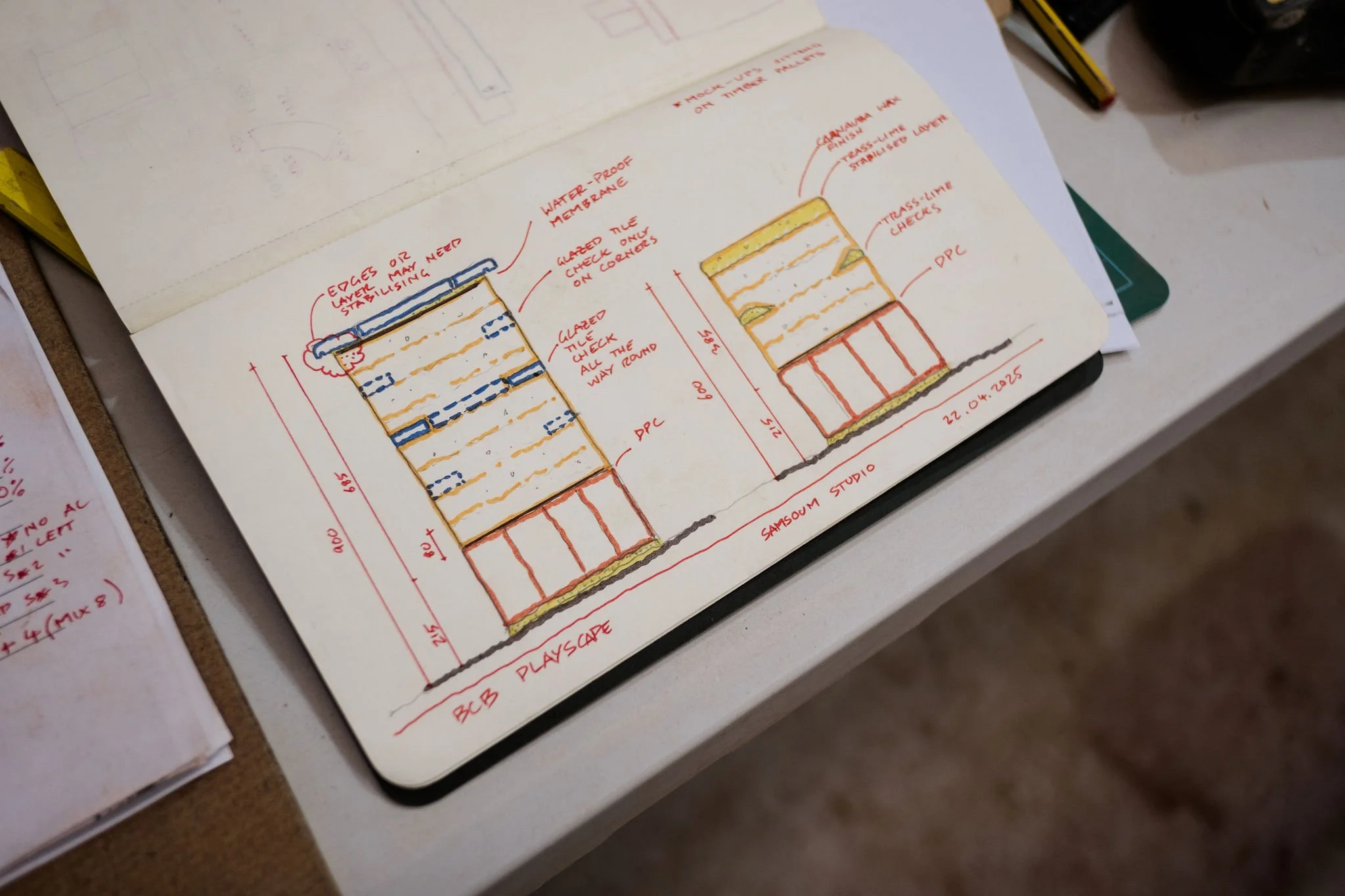
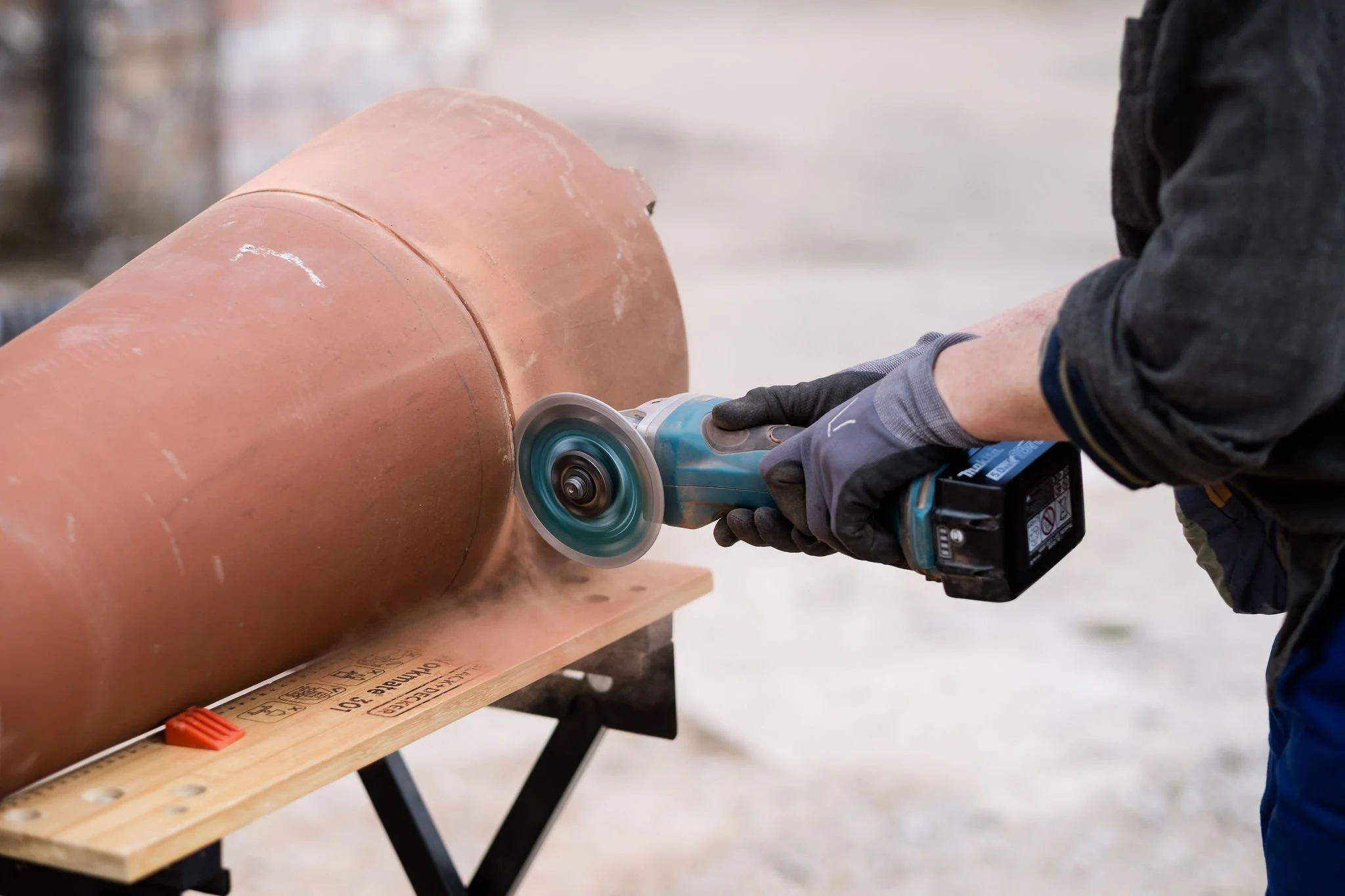
Its design featured semi-circular modules that echoed the form and scale of the site’s historic bottle kilns. These modules housed various play elements, including a low sandpit, a monkeybar wall, and a curving window wall integrated with reclaimed chimney pots.
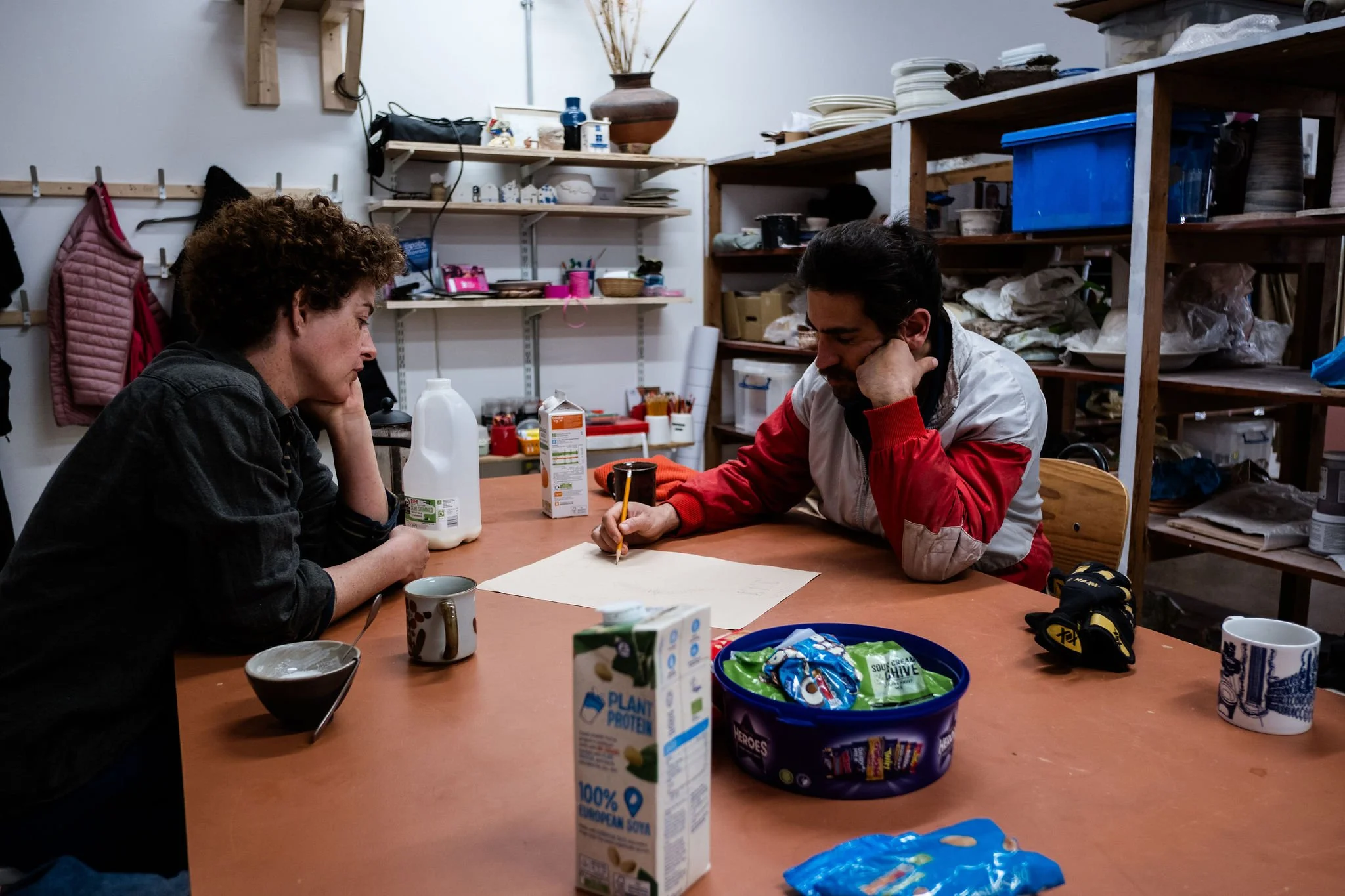
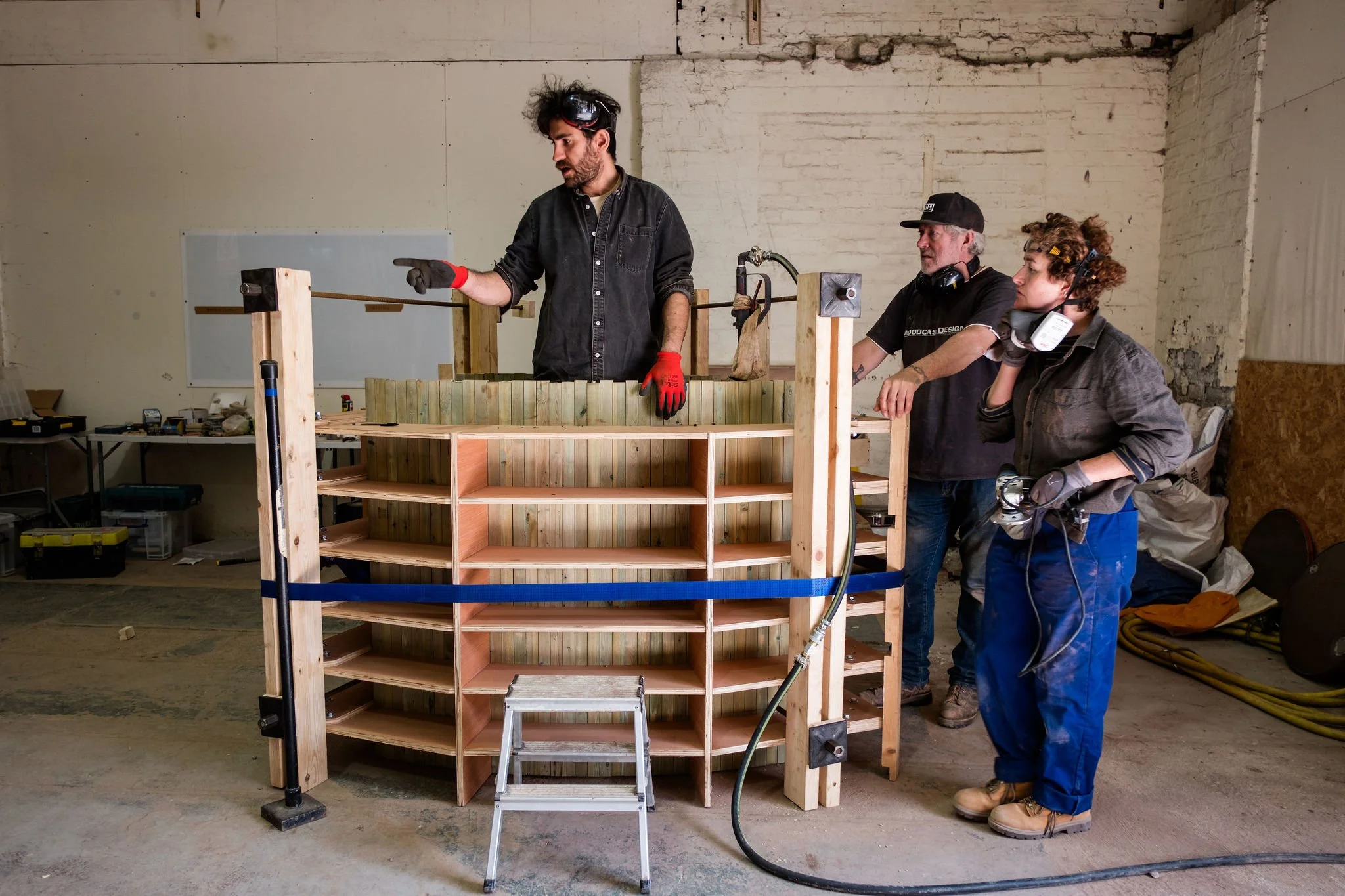
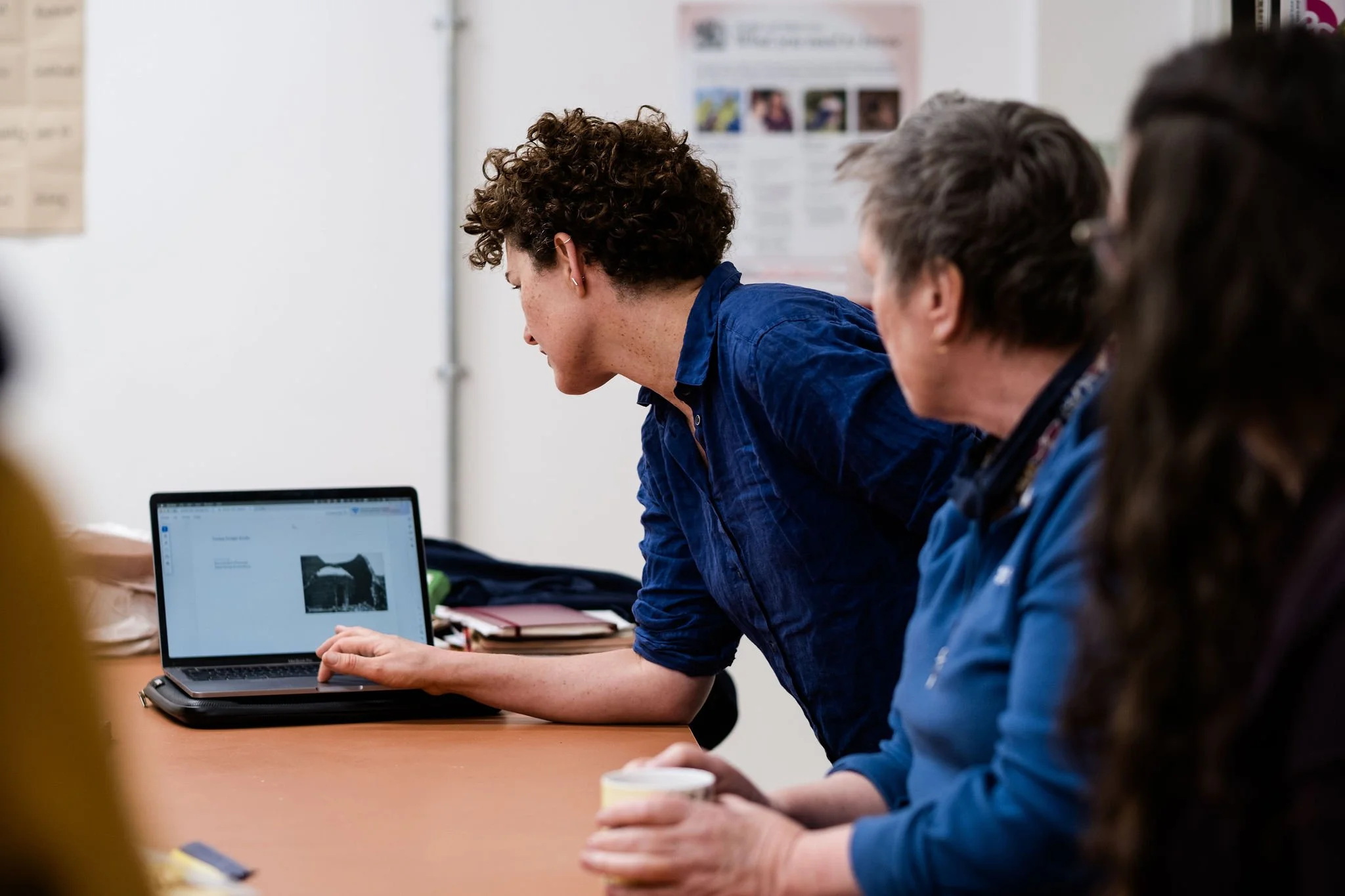
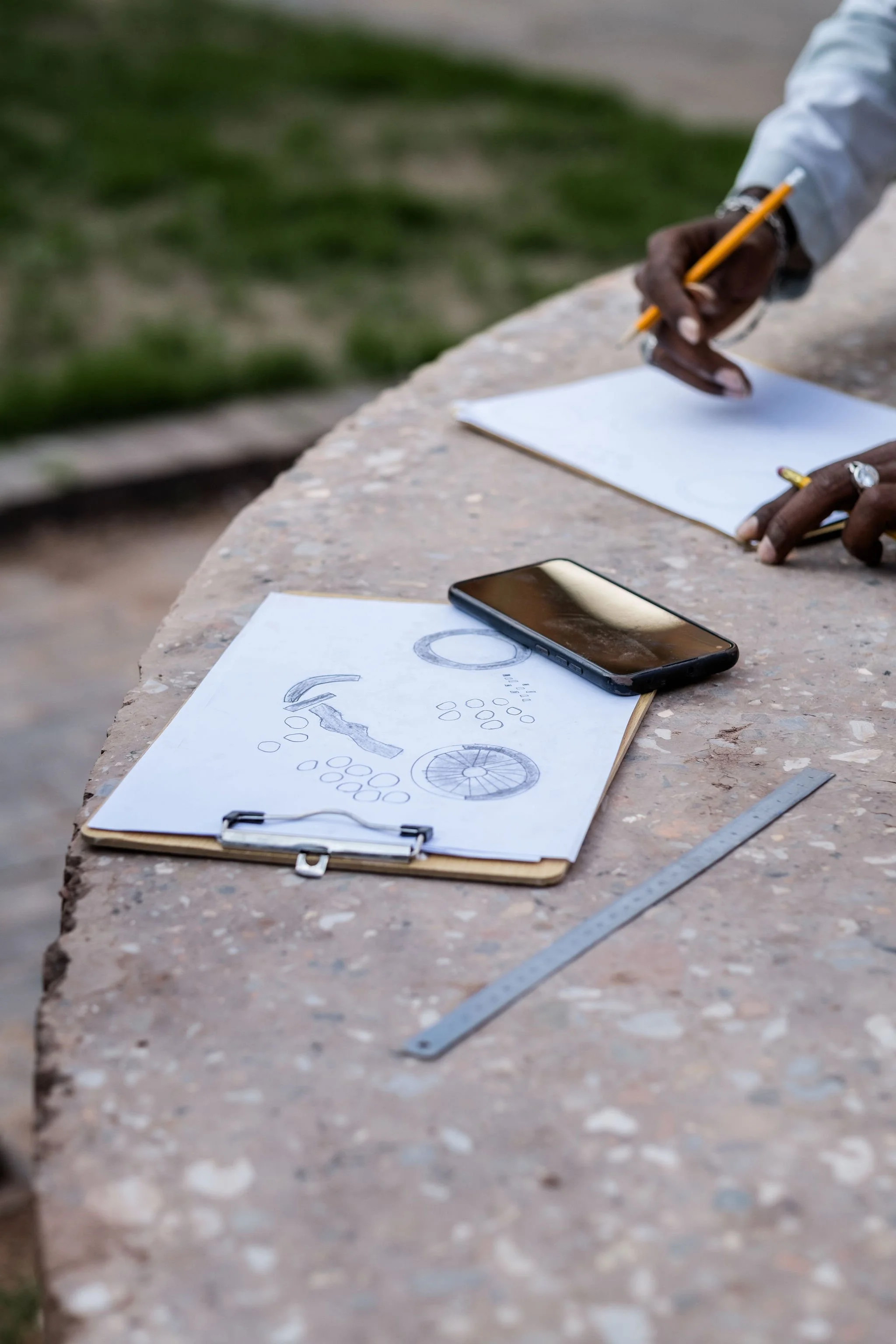
Co-design and consultation with the community were at the core of this project. More than 70 people of all ages, but predominantly children, engaged in hands-on consultation sessions. It exemplified the BCB’s mission of “making change through clay,” They brought together a team made up of experts: children, architects, artists, students and volunteers. The team led by Sarah Fraser, an artist/ with a clay and community practice focused on the reuse of materials, who has worked on the Spode site with the organisation for the past 6 years with:
Tuckey Design Studio, architects specialising in reuse, (Rammed Earth House)
University of Staffordshire architecture students who did a vertical studio project with all years contributing (design and build)
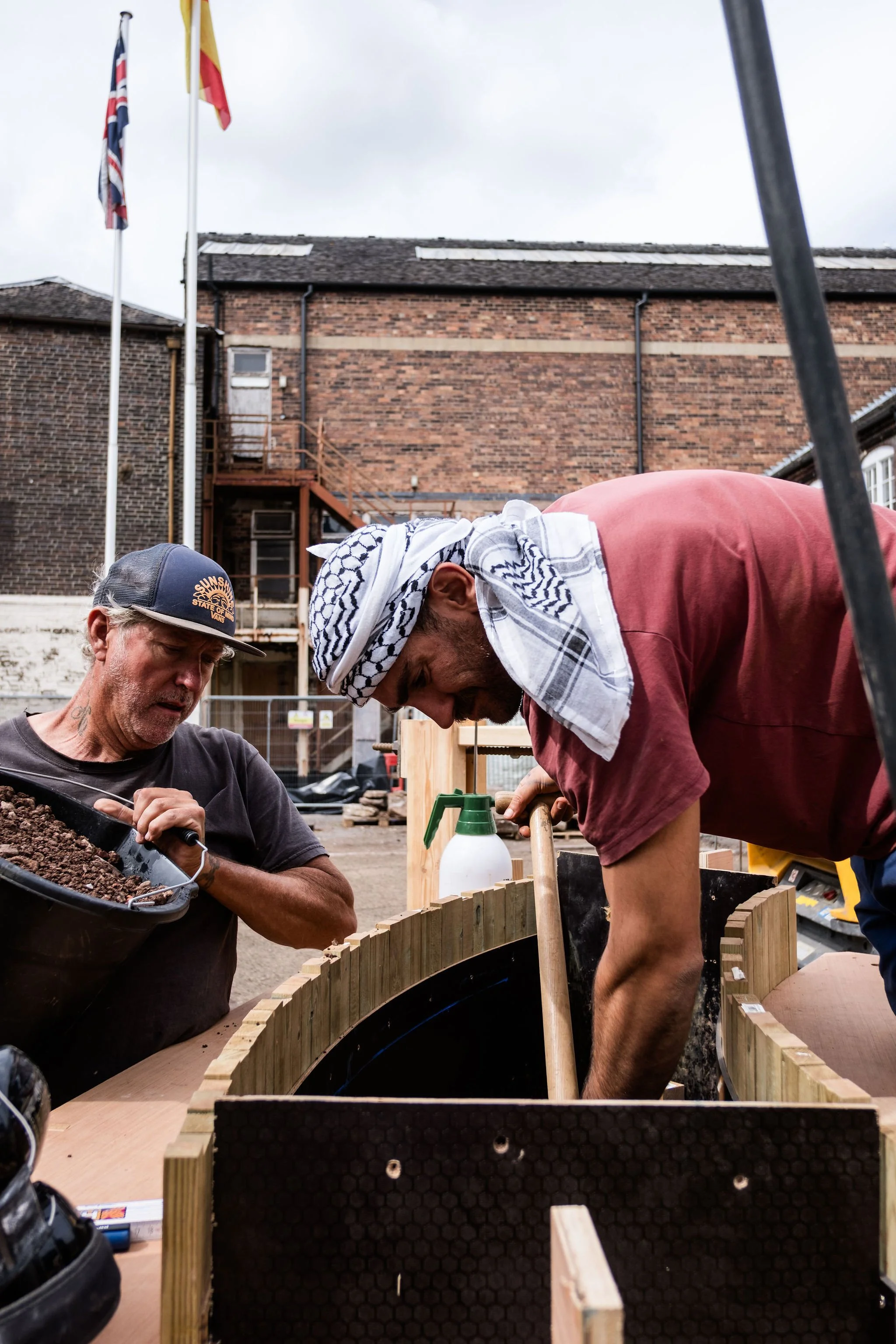
Rammed earth specialists Sami Akkach at Samsoum Studio, and Woodcast Designs.
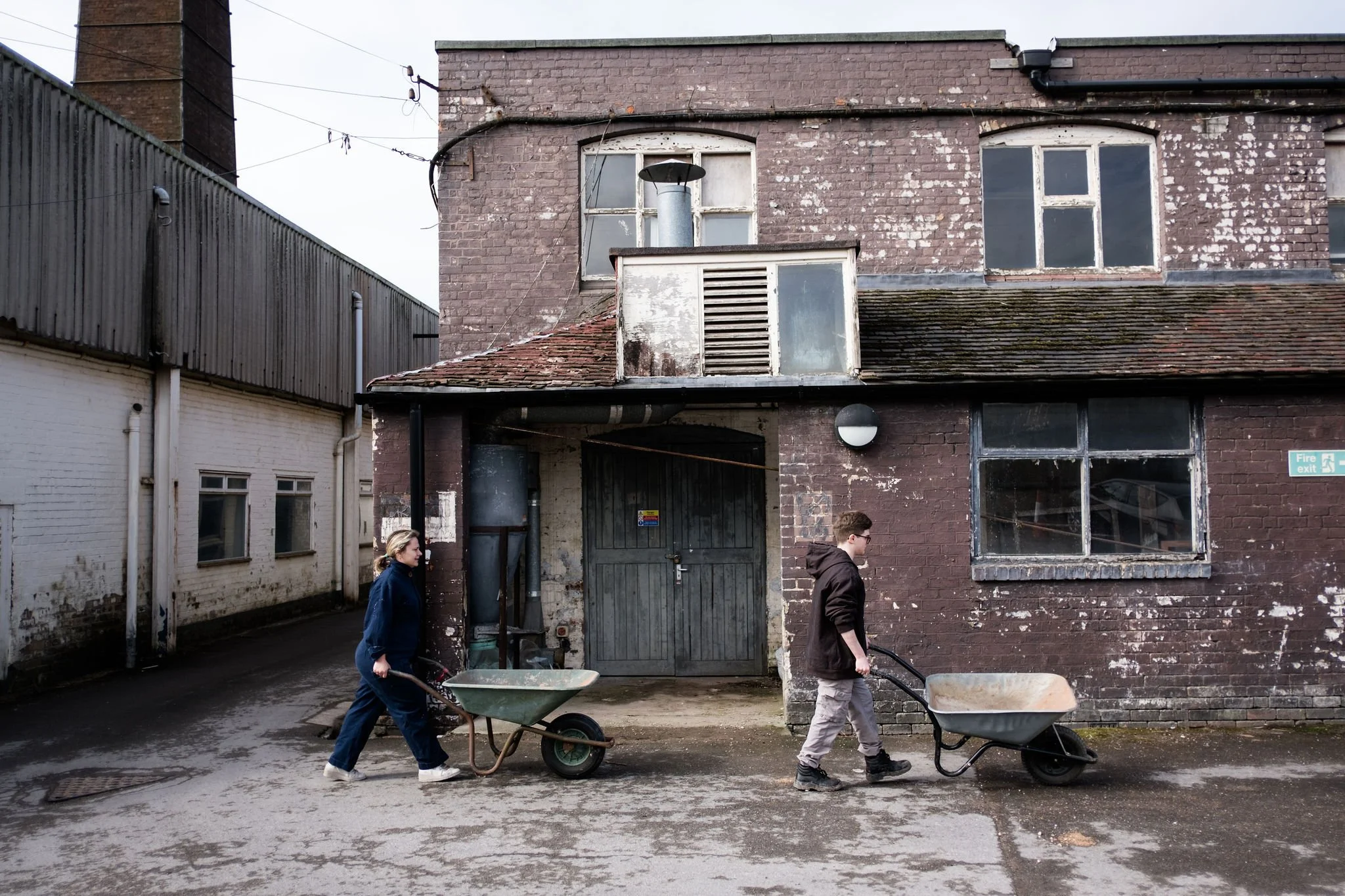
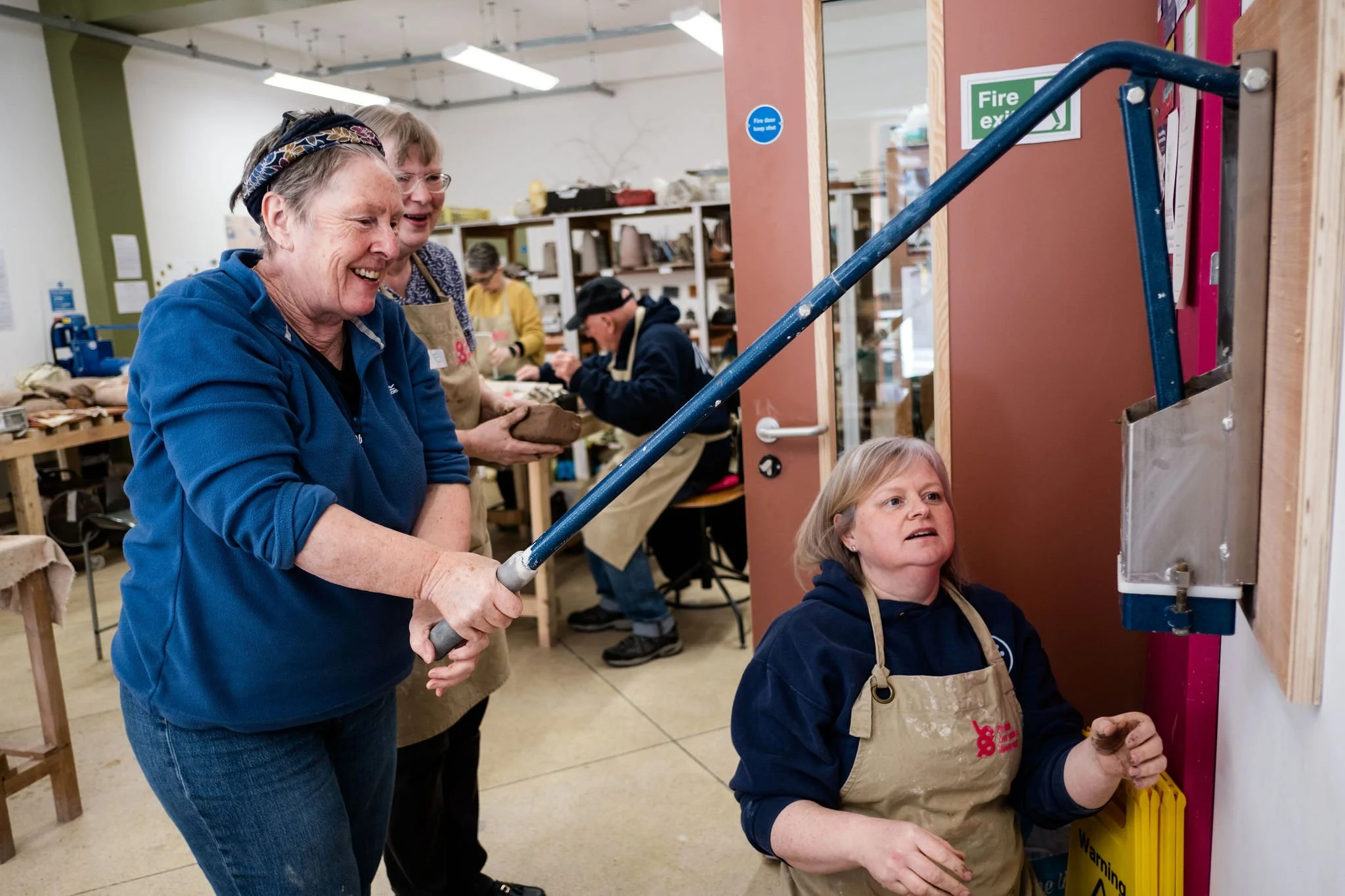
a small core team of volunteers supported Sarah and Sami with building earth elements with a total of 25 people helping at different stages of the build.
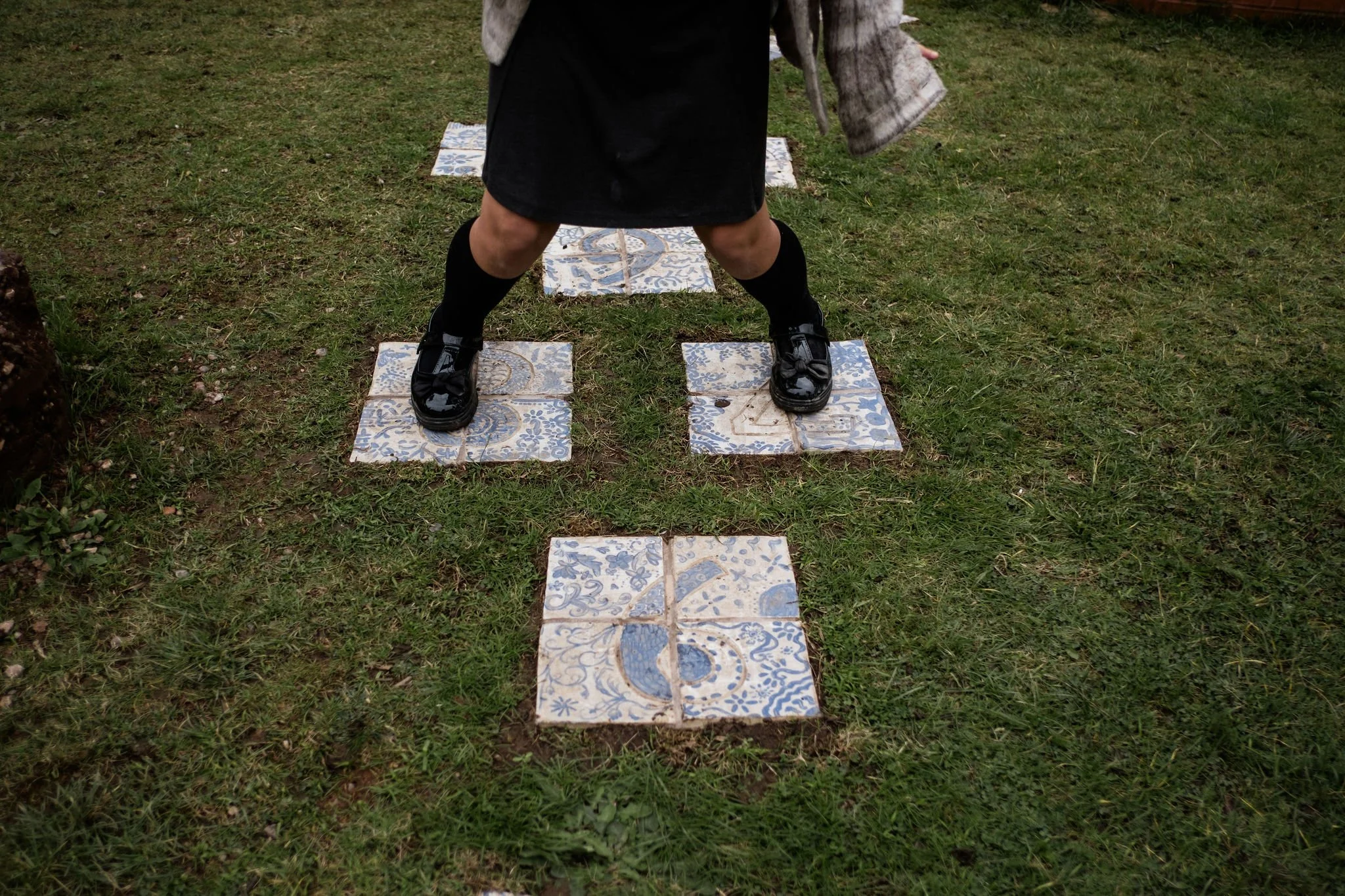
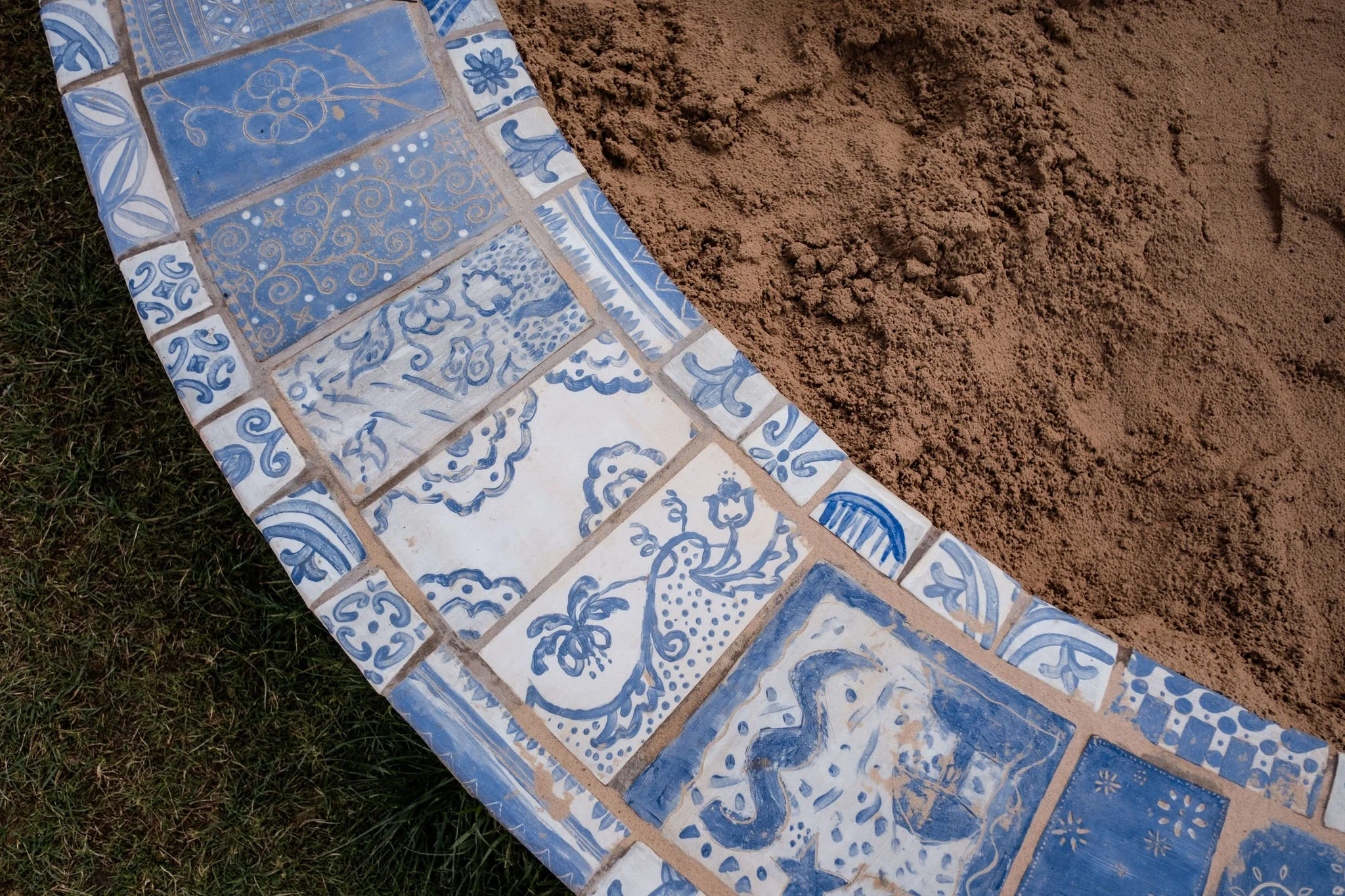
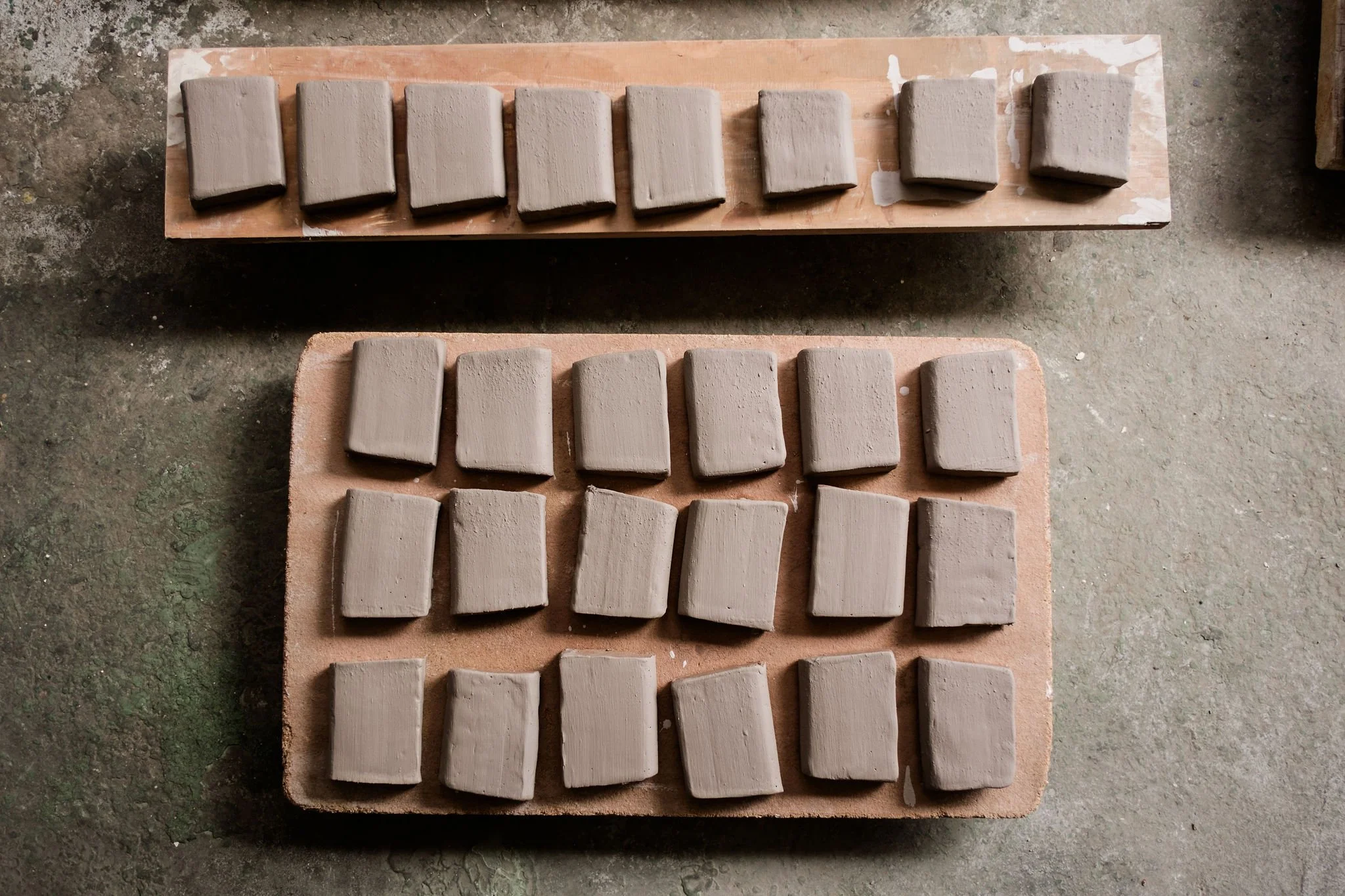
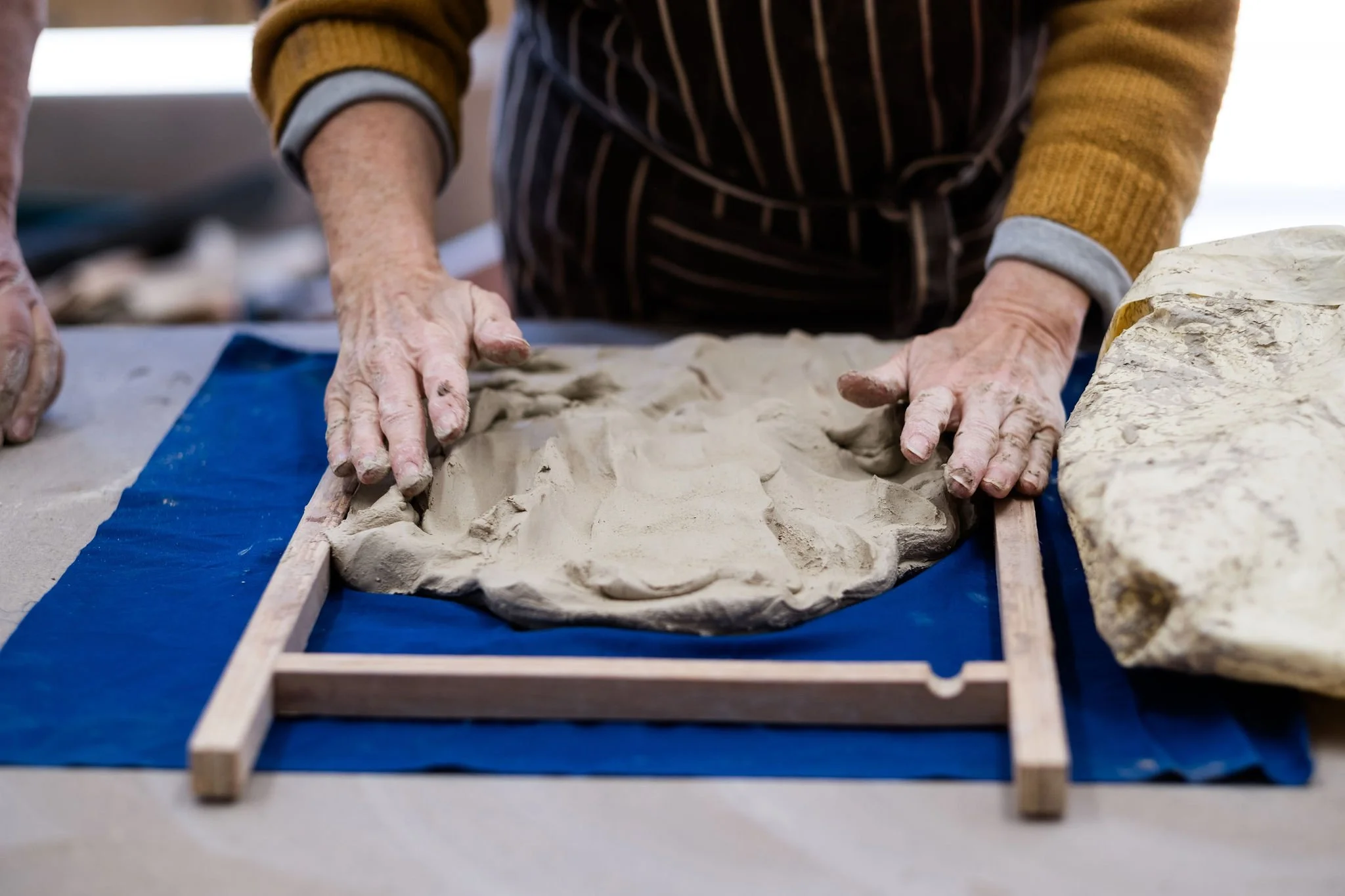
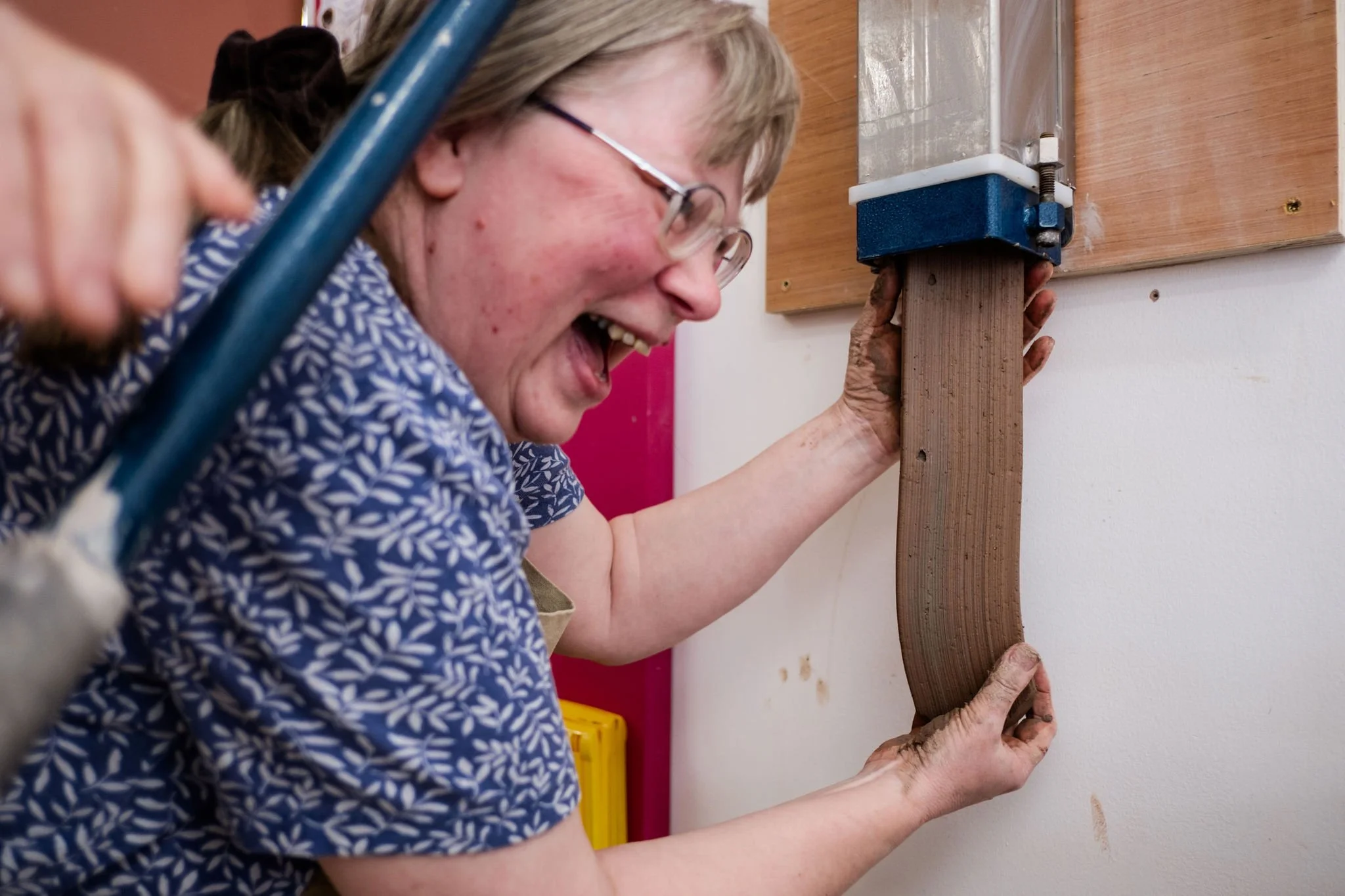
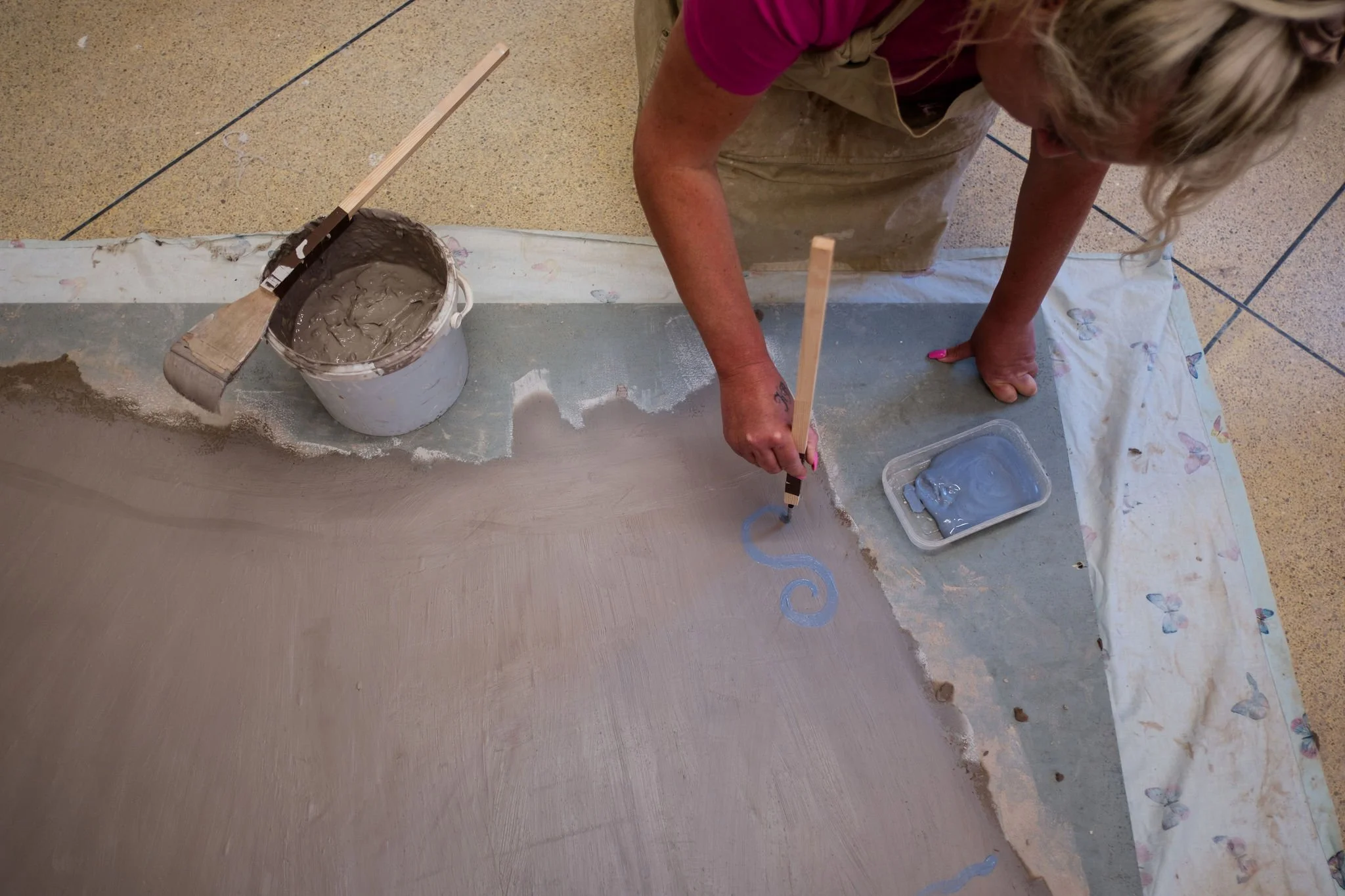
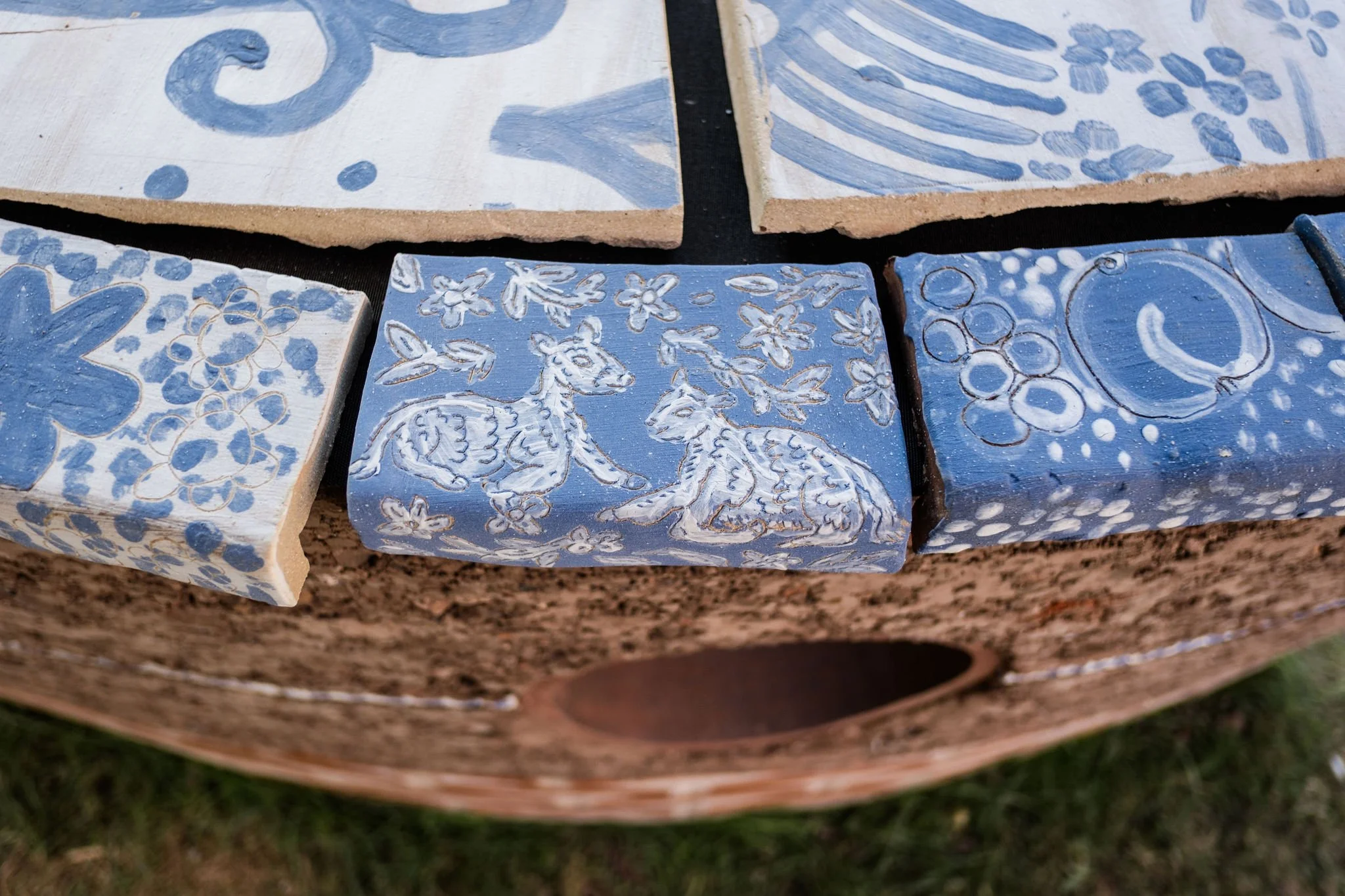
Members of the public were invited to sculpt, design and paint ceramic tiles for both decoration and protection. 17 sessions with a total of 200 participant artists making tiles.
During the biennial, the installation attracted nearly 40,000 visitors, including over 100 school groups, providing a space where children and adults could connect with the city’s history through active interaction. The project’s legacy extends beyond its temporary status through a circular economy approach; after the event, the rammed earth was recycled to level a stairway for a local residential development, and the community-made tiles were salvaged for permanent installation in a nearby public space. Ultimately, the playscape demonstrated how rooted, community-led architecture can celebrate local identity while providing vital, sustainable spaces for play and connection.
.